



Owning a home is exciting, but it also comes with responsibilities that can catch you off guard. Plumbing problems are one of those challenges that often appear without warning. A burst pipe, clogged drain, or leaky faucet can disrupt your daily routine and even cause costly damage if not handled quickly.
The good news is that with a little preparation, you can protect your home and feel more confident when the unexpected happens. Here are five smart ways to get your home ready for plumbing surprises.
Know Where Your Main Water Shut-Off Valve is Located
One of the most important steps you can take as a homeowner is learning where your main water shut-off valve is. This valve controls the flow of water into your entire home. If there’s a major leak or sudden pipe breakage, turning off the water quickly can prevent gallons of water from flooding your floors and damaging your belongings.
Take a few minutes to locate the valve, which is often found in the basement, garage, or near the perimeter of your home. Once you find it, test it to make sure it turns easily. If it feels stuck, consider having a plumber inspect it. Share this information with everyone in your household so that anyone can act fast in an emergency. Knowing how to shut off your water is a simple step that can save you thousands of dollars in repairs.
Keep Essential Plumbing Tools and Supplies on Hand
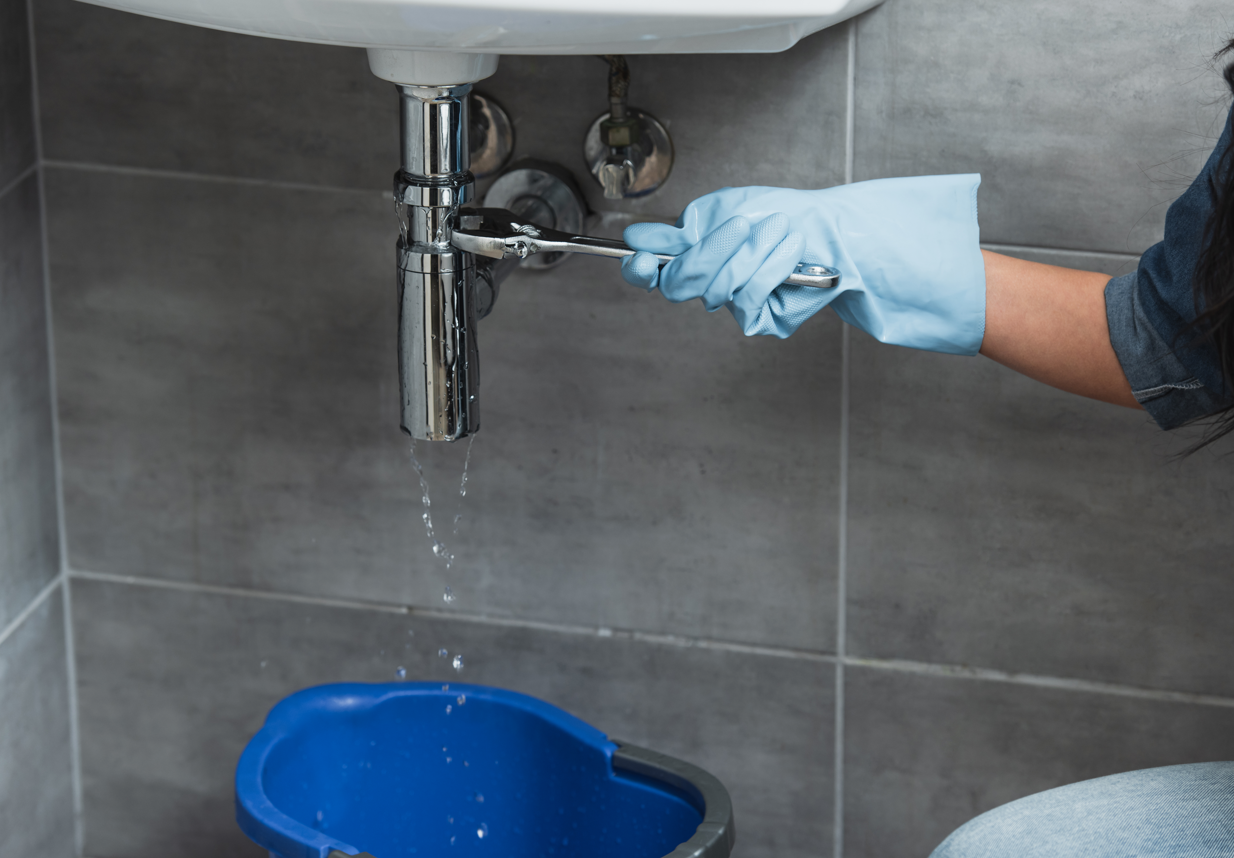
While you don’t need to be a professional plumber, having a few basic tools and supplies can make a big difference when small issues arise. A plunger, pipe wrench, plumber’s tape, and a bucket are simple items that can help you manage minor leaks or clogs until a professional arrives.
For example, a plunger can clear a clogged toilet or sink in minutes, while plumber’s tape can temporarily seal a small leak in a pipe joint. These quick fixes won’t replace professional repairs, but they can buy you valuable time and prevent the problem from getting worse. Store these tools in an easy-to-reach spot so you’re not scrambling when water starts spilling onto the floor.
Schedule Regular Plumbing Inspections
Prevention is always better than repair. Scheduling regular plumbing inspections is one of the smartest investments you can make as a homeowner. A licensed plumber can spot early warning signs of trouble, such as corrosion, slow drains, or small leaks that you might overlook.
These inspections don’t need to happen every month, but having your plumbing system checked once a year can give you peace of mind. Think of it as a health check-up for your home. By catching problems early, you can avoid emergencies that often strike at the worst possible time. Regular maintenance also extends the life of your pipes, water heater, and fixtures, which means fewer surprises and lower costs in the long run.
Save the Contact Information of a Trusted Emergency Plumber
When a plumbing emergency strikes, time is critical. Searching online for help while water is pouring into your kitchen is stressful and risky. That’s why it’s smart to research and save the contact information of a reliable 24/7 plumber before you ever need one.
Look for a licensed and insured professional with good reviews in your area. Store their number in your phone and write it down somewhere visible in your home, like on the fridge. This way, you can act quickly without hesitation. Having this resource on hand ensures you won’t waste precious minutes during an emergency. If you’d like to be prepared, click here for more info about finding a 24/7 plumber.
Protect Your Pipes From Extreme Temperatures
Weather can be tough on your plumbing system, especially during freezing winters or scorching summers. Cold temperatures can cause pipes to freeze and burst, while extreme heat can put stress on older plumbing systems. Protecting your pipes is a proactive way to avoid sudden disasters.
In colder climates, insulate exposed pipes in basements, attics, and garages. On especially cold nights, let faucets drip slightly to keep water moving and reduce the risk of freezing. In warmer regions, check for signs of wear and tear caused by heat and make sure outdoor hoses are disconnected when not in use. These small steps can prevent big problems and keep your plumbing system running smoothly year-round.
Conclusion
Plumbing issues may be unpredictable, but your response to them doesn’t have to be. By knowing where your shut-off valve is, keeping basic tools handy, scheduling inspections, saving an emergency plumber’s number, and protecting your pipes from extreme weather, you can stay one step ahead.
These smart habits not only reduce stress but also protect your home and your budget. With preparation, you’ll feel more confident and ready to handle whatever plumbing surprises come your way.
