



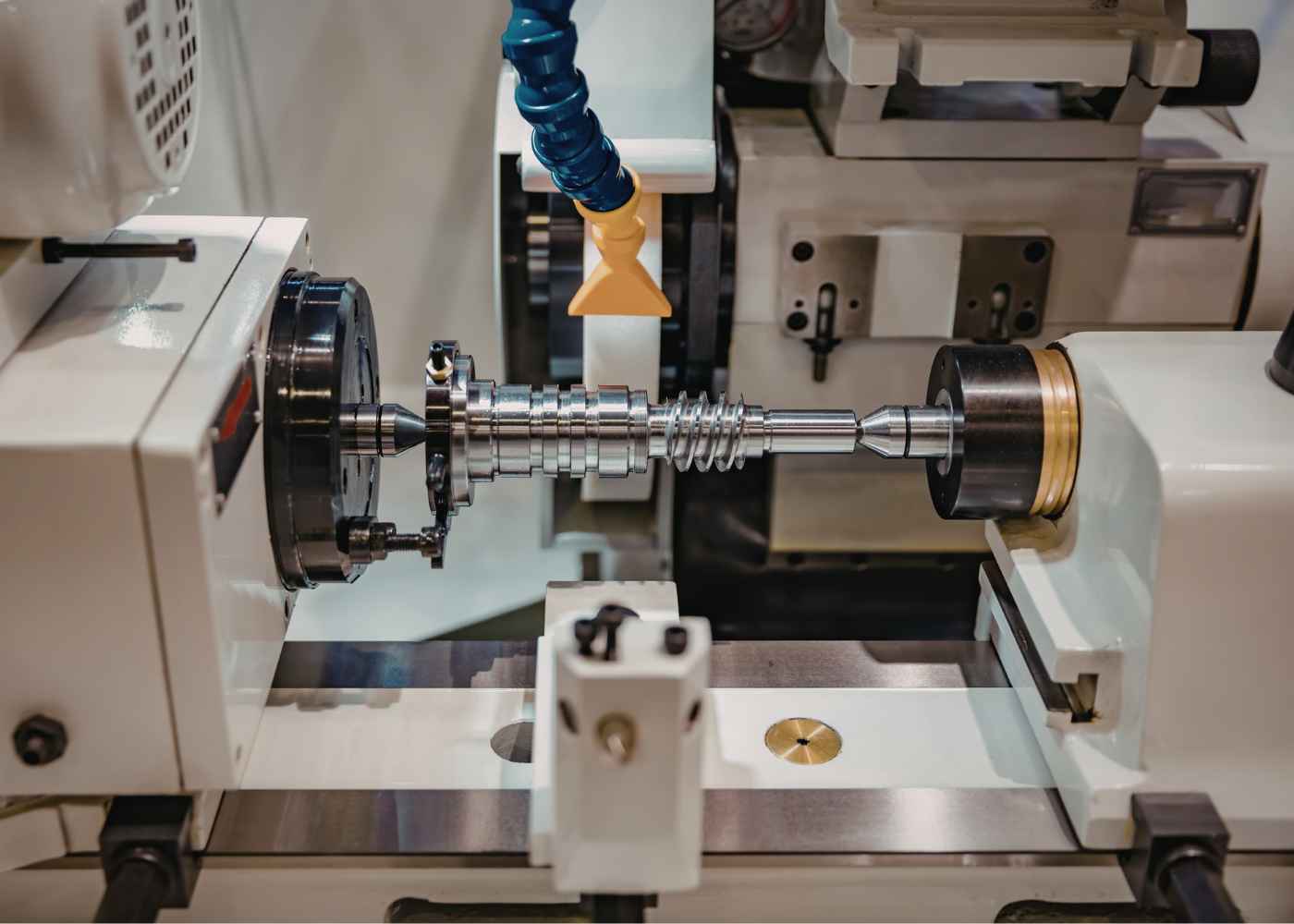
Anderson spindles serve as the workhorses of precision machining operations, delivering the reliability and performance that manufacturing facilities depend on for consistent production. When these critical components develop problems—abnormal sounds, excessive heat, vibration, or reduced performance—the urgency of response directly impacts operational outcomes and costs. Immediate attention to Anderson spindle issues protects your business in multiple critical ways. Here are five compelling reasons why prompt Anderson spindle repair services matter for manufacturing operations.
Prevent Escalating Damage and Repair Costs
Small spindle problems left unaddressed rarely stay small. Operating Anderson spindles with developing issues allows initial failures to damage additional components, transforming economical repairs into expensive overhauls or complete replacements.
Bearing degradation exemplifies how minor problems escalate. Early bearing wear might require only replacing affected bearings, but continued operation destroys shafts, damages housings, and contaminates lubrication systems. What could have been a $1,500 bearing replacement becomes a $8,000 complete rebuild.
Seal failures that initially allow minor coolant seepage eventually flood spindle interiors with contamination. Early seal replacement prevents internal damage, while delayed repairs mean disassembling entire spindles, cleaning contaminated components, and replacing everything exposed to coolant infiltration.
Imbalance conditions from worn components or debris accumulation create vibrations, stressing bearings, connections, and structural elements throughout assemblies. Addressing the imbalance immediately prevents the progressive damage that vibration causes to previously healthy components.
Thermal issues from cooling system problems or lubrication failures affect metallurgy and precision throughout spindles. Heat damage warps housings, affects bearing fits, and degrades surface finishes. Early intervention prevents thermal damage that compromises entire assemblies.
Professional Anderson spindle repair services assess damage accurately, determining whether problems remain isolated or have affected additional components. Early repairs minimize parts replacement and labor costs substantially.
Maintain Production Schedules and Customer Commitments
Manufacturing facilities operate on tight schedules with customer commitments depending on reliable equipment performance. Anderson spindle failures disrupt production, threaten deadlines, and potentially damage customer relationships through delayed deliveries.
Planned maintenance windows allow strategic repair scheduling that minimizes production impact. Addressing spindle problems when first detected enables you to schedule repairs during slower periods or coordinate with production planning rather than halting operations unexpectedly.
Lead time for replacement spindles or extensive repairs can stretch weeks or months, depending on model, configuration, and parts availability. Immediate repairs often mean shorter turnaround than waiting until catastrophic failures require complete replacements.
Emergency repair premiums inflate costs when urgent service becomes necessary. Standard repairs cost substantially less than rush jobs requiring overtime labor, expedited shipping, and priority processing that emergency situations demand.
Customer satisfaction suffers when production delays force missed commitments or require expensive expediting. Protecting delivery schedules through proactive spindle maintenance preserves customer relationships and competitive reputation.
Backup spindle strategies work better when you address problems proactively. If maintaining spare spindles, planned repairs allow organized swapping during scheduled downtime rather than scrambling during crisis situations.
Preserve Product Quality and Manufacturing Precision
Anderson spindles enable the precision that modern manufacturing demands. Operating with degraded spindles compromises the quality standards customers expect and contracts require, creating expensive quality problems downstream.
Dimensional accuracy suffers when spindle runout, vibration, or thermal growth affects cutting tool positions. Parts machined with problematic spindles exhibit tolerance variations requiring rework or scrapping, wasting materials and labor.
Surface finish quality deteriorates when spindle vibration or instability affects cutting tool engagement. Customers notice quality degradation, and inspection rejection rates increase as spindle conditions worsen.
Tool life decreases dramatically with spindle problems. Vibration, runout, and temperature variations destroy cutting tools prematurely, inflating operating costs while reducing productivity through increased tool changing frequency.
Process capability metrics that quality systems track reveal degradation when spindle problems affect consistency. Maintaining statistical process control becomes difficult or impossible when unreliable spindles introduce variability.
Scrap costs and rework expenses often exceed repair costs many times over. Investing in immediate repairs prevents the quality-related losses that operating with problematic spindles creates.
Protect Safety and Prevent Workplace Hazards
Degraded Anderson spindles create safety risks beyond just production and quality concerns. Operating equipment with known problems endangers workers and creates liability exposures that responsible manufacturers cannot accept.
Catastrophic spindle failures can project debris, create fire hazards, or cause equipment damage, threatening nearby workers. Bearings disintegrating at high speeds launch metal fragments with dangerous force.
Vibration from spindle problems can loosen guards, damage safety interlocks, or create conditions where tools eject unexpectedly. These situations threaten operator safety and violate workplace safety regulations.
Thermal hazards from overheating spindles create burn risks for operators and maintenance personnel. Excessive temperatures also stress electrical systems, potentially creating fire hazards.
OSHA compliance requires maintaining equipment in a safe operating condition. Operating machinery with known defects violates safety regulations and creates legal liability if accidents occur.
Worker confidence and morale suffer when employees must operate equipment they perceive as unsafe. Addressing spindle problems promptly demonstrates management commitment to workplace safety.
Maximize Equipment Lifespan and Investment Return
Anderson spindles represent substantial capital investments deserving protection through proper maintenance and timely repairs. Immediate attention to problems extends spindle service life, maximizing return on your equipment investment.
Proper repairs restore factory specifications, providing many additional years of reliable service. Spindles receiving prompt professional repairs often exceed original expected lifespans through sustained proper performance.
Preventive replacement intervals extend when spindles receive excellent care. Well-maintained Anderson spindles might serve 15 to 20 years, while neglected units require replacement after 7 to 10 years.
Rebuild quality improves when base components remain undamaged. Spindles rebuilt before extensive damage occurs emerge from service nearly equivalent to new units, while those rebuilt after catastrophic failures never quite achieve original performance levels.
Documentation of repairs and maintenance enhances resale value if you eventually upgrade equipment. Buyers pay premiums for well-maintained spindles with complete service records.
Taking Immediate Action
Anderson spindle problems demand prompt attention through professional Anderson spindle repair services to prevent damage escalation, maintain production schedules, preserve quality, ensure safety, and maximize equipment longevity. When spindle issues emerge, contact qualified repair providers immediately rather than gambling that problems will stabilize or can wait. Expert diagnosis, proper repairs, and quick turnaround from experienced service providers protect your manufacturing operations and equipment investments. Your production capabilities depend on spindle reliability—address problems without delay and maintain the precision performance your operations require.
