



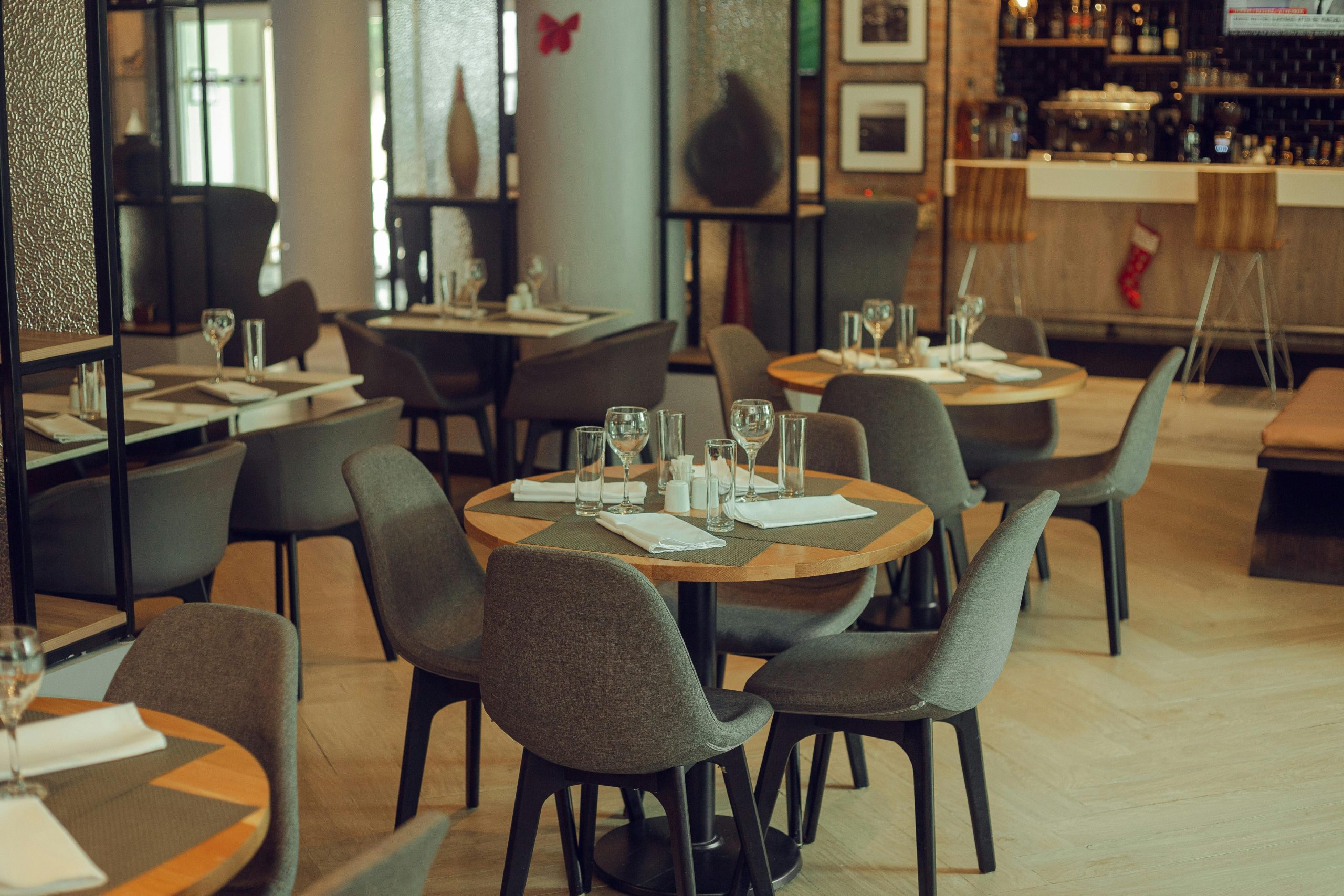
Launching or renovating a dining establishment involves more than aesthetic upgrades. It requires strategic planning, code compliance, and thoughtful design integration. A well-executed restaurant tenant improvement transforms a leased commercial space into a fully functional environment tailored to culinary operations. From kitchen layouts to dining flow, each decision influences efficiency, safety, and customer experience. As competition in the food industry grows, intentional build-outs become increasingly important for long-term sustainability.
Planning Efficient Kitchen Layouts
A commercial kitchen must support speed, safety, and seamless coordination. During restaurant improvement projects, layout planning typically prioritizes workflow. Equipment placement, prep stations, and storage areas are arranged to minimize cross-traffic and reduce delays. When staff can move efficiently between cooking, plating, and cleaning zones, overall productivity improves.
Additionally, ventilation systems and fire suppression equipment require careful integration. Compliance with health and safety regulations remains essential, as improper installation can lead to costly corrections. By focusing on spatial logic and regulatory requirements, the kitchen becomes a reliable foundation for daily operations.
Enhancing Dining Area Functionality
While the kitchen supports operations behind the scenes, the dining area shapes customer perception. Restaurant improvement often includes redesigning seating arrangements, lighting placement, and traffic flow to create a welcoming yet practical atmosphere. The balance between comfort and capacity influences both revenue potential and guest satisfaction.
Moreover, acoustics and accessibility must be considered. Proper sound management prevents excessive noise levels, while accessible pathways ensure inclusivity. When dining areas are thoughtfully arranged, guests experience both visual appeal and functional ease, reinforcing positive impressions.
Integrating Building Code Compliance
Commercial construction requires strict adherence to building codes and health regulations. During a restaurant tenant improvement, professionals evaluate plumbing, electrical systems, and structural elements to meet local standards. Inspections often cover grease traps, fire-rated materials, and emergency exits to ensure public safety.
Furthermore, compliance reduces long-term risk. Failure to meet regulatory requirements can delay opening dates or result in penalties. By addressing these considerations early in the improvement process, restaurant owners avoid unexpected setbacks and maintain operational integrity.
Optimizing Mechanical And Utility Systems
Behind every successful restaurant lies a network of mechanical systems that support daily operations. HVAC systems regulate indoor temperature, ensuring comfort for both staff and guests. Plumbing infrastructure manages water supply, drainage, and sanitation. Electrical systems power commercial appliances and lighting fixtures.
During restaurant tenant improvement, upgrading outdated systems often enhances efficiency. Energy-efficient lighting and properly sized HVAC units contribute to lower operating costs. Thoughtful integration of utilities ensures reliability, preventing disruptions that could compromise service quality.
Strengthening Brand Identity Through Design
Interior design communicates a restaurant’s concept before the first dish is served. Materials, color schemes, and layout choices reflect the establishment’s personality and culinary focus. A cohesive design strengthens brand identity and encourages repeat visits.
Additionally, design decisions influence emotional engagement. Warm lighting, comfortable seating, and balanced textures create inviting spaces. When restaurant tenant improvement aligns design with operational needs, the result is an environment that feels intentional rather than improvised.
Supporting Safety And Accessibility Standards
Safety considerations extend beyond fire codes and ventilation. Slip-resistant flooring, adequate lighting, and clear signage contribute to accident prevention. Accessible restrooms and entryways ensure compliance with disability regulations, promoting inclusivity.
Moreover, emergency preparedness plays a crucial role. Clearly marked exits and strategically placed safety equipment protect both employees and patrons. By prioritizing these standards during improvement efforts, restaurants foster trust and reliability within their communities.
Managing Construction Timelines Effectively
Time management significantly affects restaurant tenant improvement projects. Coordinating contractors, inspectors, and suppliers requires structured scheduling. Delays can increase costs and postpone grand openings, which may impact financial projections.
Consequently, clear communication among stakeholders becomes essential. When construction phases are organized logically, progress remains steady. Effective project management ensures that design goals and compliance standards are achieved without unnecessary interruptions.
Maintaining Long-Term Operational Flexibility
Restaurant concepts often evolve to meet changing consumer preferences. A thoughtfully planned restaurant tenant improvement allows for future adaptability. Modular furniture, adjustable lighting systems, and flexible layouts accommodate menu expansions or seasonal adjustments.
Furthermore, investing in durable materials reduces maintenance needs over time. When spaces are built with longevity in mind, renovations become less frequent and less disruptive. Flexibility ensures that restaurants remain competitive while preserving structural integrity.
Achieving Sustainable Commercial Spaces
Sustainability has become an important consideration in commercial design. Energy-efficient appliances, water-saving fixtures, and environmentally conscious materials reduce environmental impact. During a restaurant tenant improvement, integrating sustainable solutions can also enhance long-term cost savings.
Additionally, eco-friendly design often appeals to environmentally aware customers. Sustainable choices signal responsibility and forward-thinking values. As environmental awareness continues to grow, integrating these principles into tenant improvements becomes increasingly relevant.
Ensuring Lasting Restaurant Performance
Restaurant tenant improvement represents a comprehensive transformation of leased commercial space into a fully operational dining environment. From efficient kitchen layouts to code compliance, mechanical integration, and brand-focused design, each element contributes to overall performance.
Ultimately, successful improvements balance practicality with creativity. When operational efficiency aligns with thoughtful design and regulatory compliance, restaurants are positioned for steady growth. Through careful planning and strategic execution, restaurant tenant improvement supports both immediate functionality and long-term resilience.