



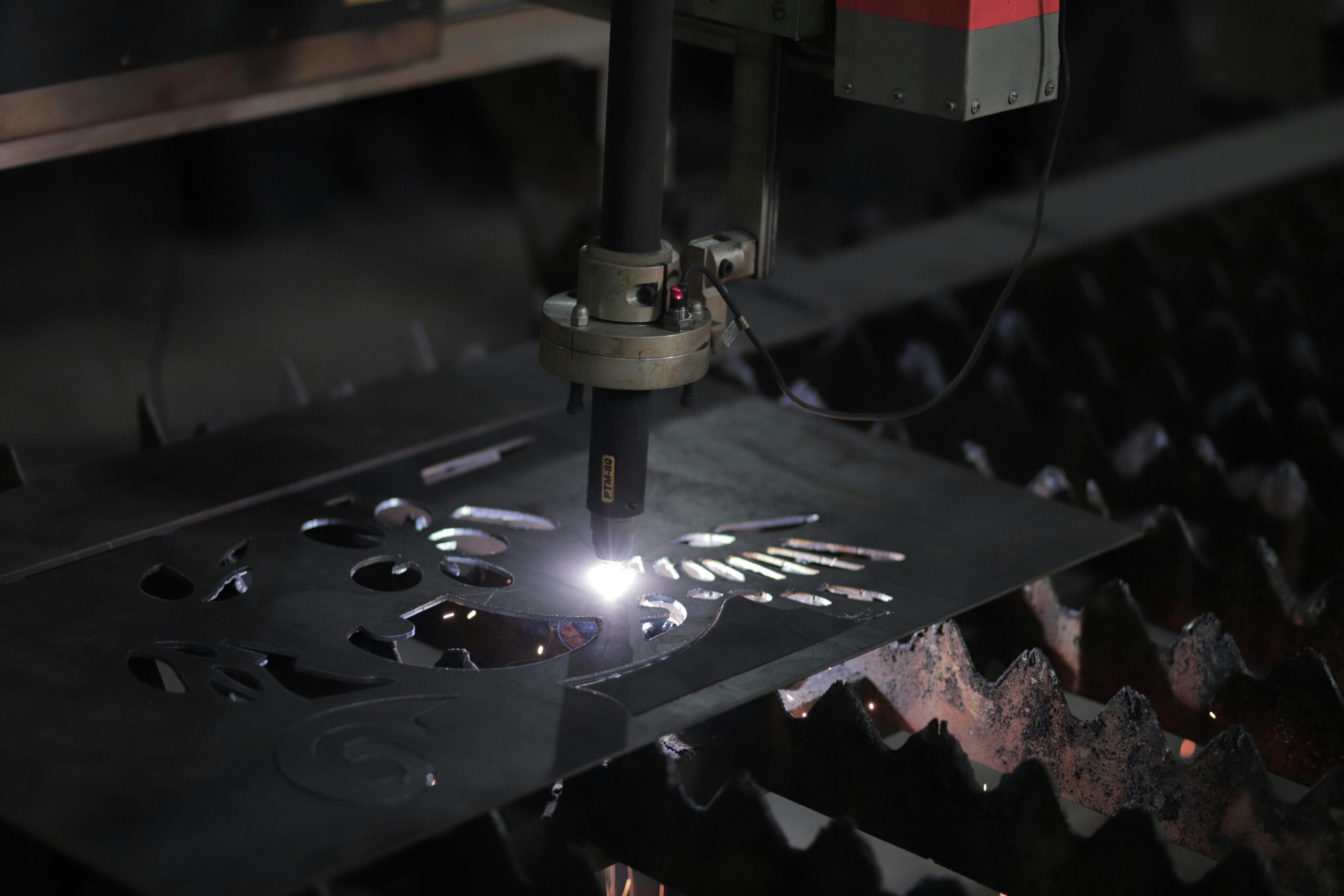
Modern manufacturing demands accuracy, efficiency, and consistency, especially when working with metal components. Precision laser metal cutting machines have become essential tools in meeting these expectations, offering advanced capabilities that traditional cutting methods often cannot match. By using focused laser beams, these machines can cut through various metals with exceptional detail and minimal material waste.
In addition, industries such as automotive, aerospace, construction, and electronics rely heavily on these machines to produce complex parts with tight tolerances. As technology continues to evolve, laser cutting systems are becoming more sophisticated, enabling manufacturers to achieve higher levels of productivity and precision.
Enhancing Accuracy Through Advanced Laser Technology
Precision is one of the defining features of laser metal cutting machines. The use of high-powered lasers enables clean, precise cuts that reduce the need for additional finishing processes. This level of accuracy is particularly important for components that require strict dimensional consistency.
Moreover, computer-controlled systems guide the laser with remarkable precision, ensuring that each cut follows the intended design. This automation minimizes human error and improves overall quality. As a result, manufacturers can produce intricate designs while maintaining consistent performance across multiple production runs.
Improving Efficiency Through Automated Cutting Processes
Efficiency is another major advantage of laser cutting technology. Automated systems streamline the cutting process, reducing production time and increasing output. By integrating software and machine controls, manufacturers can quickly adjust settings and execute complex designs with minimal downtime.
Additionally, the speed of laser cutting allows for faster turnaround times, which is essential in competitive industries. Efficient processes not only save time, but also reduce operational costs. This combination of speed and precision makes laser cutting machines a valuable asset in modern manufacturing environments.
Supporting Versatility Across Various Metal Applications
Laser cutting machines are capable of handling a wide range of metals, including steel, aluminum, brass, and copper. This versatility allows manufacturers to use a single system for multiple applications, reducing the need for specialized equipment. The ability to work with different materials enhances flexibility in production.
Furthermore, laser cutting can accommodate various thicknesses and design complexities. Whether producing simple shapes or intricate patterns, these machines deliver consistent results. This adaptability supports diverse industries and enables manufacturers to meet evolving demands.
Reducing Material Waste Through Precise Cutting Methods
Material efficiency is a critical consideration in manufacturing, and laser cutting machines excel in minimizing waste. The precision of the laser ensures that cuts are clean and accurate, reducing excess material and scrap. This not only lowers costs, but also supports sustainable practices.
In addition, optimized cutting paths and nesting techniques further enhance material utilization. By maximizing the use of available resources, manufacturers can achieve greater efficiency and reduce their environmental impact. Precision cutting contributes to both economic and environmental benefits.
Maintaining Quality Through Consistent Performance
Consistency is essential for maintaining high-quality standards in manufacturing. Laser cutting machines provide reliable performance, ensuring that each component meets the same specifications. This uniformity is especially important for large-scale production, where variations can lead to defects.
Moreover, systems from trusted partners that provide operations like Westwood Metal Technologies highlight the importance of maintaining consistent output through advanced equipment and proper maintenance. By ensuring that machines operate at optimal levels, manufacturers can deliver dependable results and maintain customer satisfaction.
Enhancing Safety Through Controlled Operations
Safety is a key consideration in any industrial environment, and laser cutting machines are designed with this in mind. Enclosed systems, automated controls, and safety features help protect operators from potential hazards. These measures reduce the risk of accidents and create a safer workplace.
Additionally, the precision of laser cutting reduces the need for manual handling and adjustments, further minimizing risks. By combining advanced technology with safety protocols, manufacturers can create efficient and secure working environments.
Adapting To Industry Innovations And Technological Advancements
The field of laser cutting continues to evolve with ongoing technological advancements. Innovations such as fiber lasers, improved software integration, and enhanced automation are transforming the capabilities of these machines. These developments allow for greater precision, faster speeds, and improved energy efficiency.
Furthermore, the integration of digital tools and data analytics provides valuable insights into machine performance and production processes. By embracing these innovations, manufacturers can stay competitive and adapt to changing industry demands. Continuous improvement ensures that laser cutting technology remains relevant and effective.
Achieving Manufacturing Excellence Through Precision Laser Cutting
Precision laser metal cutting machines play a vital role in modern manufacturing by delivering accuracy, efficiency, and versatility. From reducing material waste and enhancing safety to supporting innovation and maintaining quality, these machines offer a comprehensive solution for metal fabrication needs.
Ultimately, their ability to produce consistent, high-quality results makes them an essential component of advanced production systems. By investing in precision laser cutting technology and maintaining proper operational practices, manufacturers can achieve long-term success and remain competitive in an evolving marketplace.