



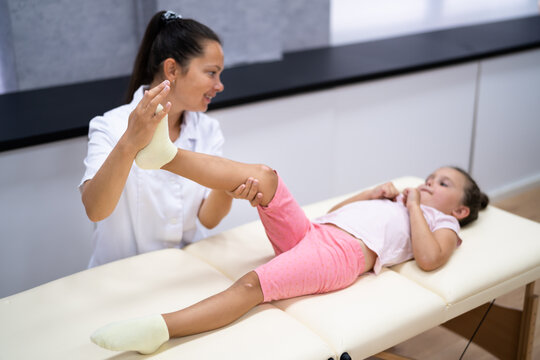
From the moment a baby is born through the growing pains of adolescence, a child’s spine and nervous system go through constant change.
Many parents are now turning to a pediatric chiropractor to support their child’s development, ease discomfort, and promote overall wellness.
But what exactly does a pediatric chiropractor do, and is this type of care right for your family? This article breaks down the essentials, from training and techniques to common conditions treated and what to expect during a visit.
What Is a Pediatric Chiropractor?
A pediatric chiropractor is a licensed chiropractor who has pursued additional training and experience in caring for infants, children, and teenagers.
While general chiropractors are trained to work with the musculoskeletal system of patients of all ages, pediatric-focused practitioners understand the unique anatomical and developmental differences of growing bodies.
Children’s spines, joints, and nervous systems are not simply smaller versions of an adult’s. Bones are softer, growth plates are still open, and the nervous system is rapidly maturing.
Because of this, pediatric chiropractors use gentler, age-appropriate techniques that differ significantly from adjustments performed on adults.
Why Parents Seek Pediatric Chiropractic Care
Parents bring their children to a chiropractor for a wide variety of reasons. Some are seeking relief from a specific issue, while others view chiropractic visits as part of a broader wellness routine, similar to regular checkups with a pediatrician.
Common reasons families pursue this type of care include:
- Birth-related stress — the birthing process, especially with interventions like forceps or vacuum extraction, can place strain on an infant’s spine and neck.
- Colic and feeding difficulties — some parents report improvement in fussiness or latch issues after gentle adjustments.
- Postural concerns — heavy backpacks, prolonged screen time, and sedentary habits can contribute to poor posture in school-age children.
- Sports injuries — young athletes often experience strains, sprains, and joint stress that a chiropractor can help address.
- Growing pains — some children experience discomfort in their legs or joints during growth spurts.
- Headaches and tension — chiropractic care is sometimes used to address recurring headaches linked to muscular tension in the neck and shoulders.
- General wellness — many families incorporate chiropractic visits as a proactive part of maintaining spinal health.
It’s worth noting that while many families report positive experiences, scientific research on the effectiveness of chiropractic care for non-musculoskeletal childhood conditions remains limited, and parents should discuss any complementary therapy with their child’s pediatrician.
Techniques Used in Pediatric Chiropractic Care
One of the biggest differences between adult and pediatric chiropractic care is the amount of force applied.
Adjustments for children are typically much gentler than those used for adults — often involving no more pressure than what you’d use to test the ripeness of a tomato.
Common Techniques Include:
- Light finger pressure for infants and toddlers, applied to specific areas of the spine
- Instrument-assisted adjustments using tools like an Activator, which deliver a controlled, low-force impulse
- Gentle stretching and mobilization of joints to improve range of motion
- Soft tissue therapy to relax tight muscles, particularly in the neck and shoulders
- Craniosacral techniques for some infants, focusing on subtle movements around the skull and spine
Because children’s bodies respond differently than adults’, treatment plans are typically shorter in duration and reassessed frequently to track progress.
What Happens During a Pediatric Chiropractic Visit
For parents considering a first visit, understanding the process can ease any uncertainty.
Initial Consultation
The chiropractor will typically start by reviewing the child’s health history, including details about pregnancy and delivery, developmental milestones, and any current symptoms or concerns.
Physical Examination
A gentle, age-appropriate exam follows, assessing posture, spinal alignment, range of motion, and muscle tone. This exam is far less invasive than what adult patients typically undergo.
Treatment
If the chiropractor determines that adjustments are appropriate, they will use techniques suited to the child’s age and size.
Sessions are usually brief, often lasting just a few minutes for infants and slightly longer for older children.
Follow-Up Recommendations
Depending on the child’s needs, the chiropractor may suggest a series of visits, along with at-home stretches, exercises, or lifestyle adjustments such as reducing backpack weight or improving desk ergonomics for schoolwork.
Is Pediatric Chiropractic Care Safe?
Safety is naturally the top concern for any parent considering this type of care.
According to a review published in Clinical Pediatrics, most techniques used in pediatric chiropractic care are gentle, low-force, and generally regarded as safe, with serious adverse events being rare and no reported deaths in the studies reviewed.
That said, the same research highlights that the overall body of evidence supporting pediatric chiropractic care remains limited, particularly for non-musculoskeletal conditions, and encourages open communication between families and their child’s full healthcare team.
Choosing the Right Pediatric Chiropractor
Not every chiropractor has specialized pediatric training, so it’s important for parents to do their homework before scheduling a visit.
Questions to Ask:
- What specific training do you have in pediatric chiropractic care?
- How many years of experience do you have treating infants and children?
- What techniques do you use, and how are they adjusted for a child’s age?
- Do you communicate and coordinate with our child’s pediatrician?
- What does a typical treatment plan look like for a child with our concerns?
A qualified pediatric chiropractor should be transparent about their approach, willing to explain each step of treatment, and comfortable working alongside your child’s existing medical team rather than replacing it.
Final Thoughts
Pediatric chiropractic care has grown in popularity as more parents look for gentle, non-invasive ways to support their child’s musculoskeletal health.
From easing colic symptoms in infants to helping young athletes recover from sports strain, chiropractors trained in pediatric care offer a specialized approach tailored to growing bodies.
As with any healthcare decision, it’s important to research a practitioner’s credentials, discuss options with your child’s pediatrician, and stay informed about the current state of evidence.
When approached thoughtfully, chiropractic care can be one part of a well-rounded strategy for supporting your child’s overall wellness.
Reference: Misra, S. M., Jaber, O., & Long, C. (2025). Chiropractic Care in Children: A Review of Evidence and Safety. Clinical Pediatrics. https://pmc.ncbi.nlm.nih.gov/articles/PMC12138143/