



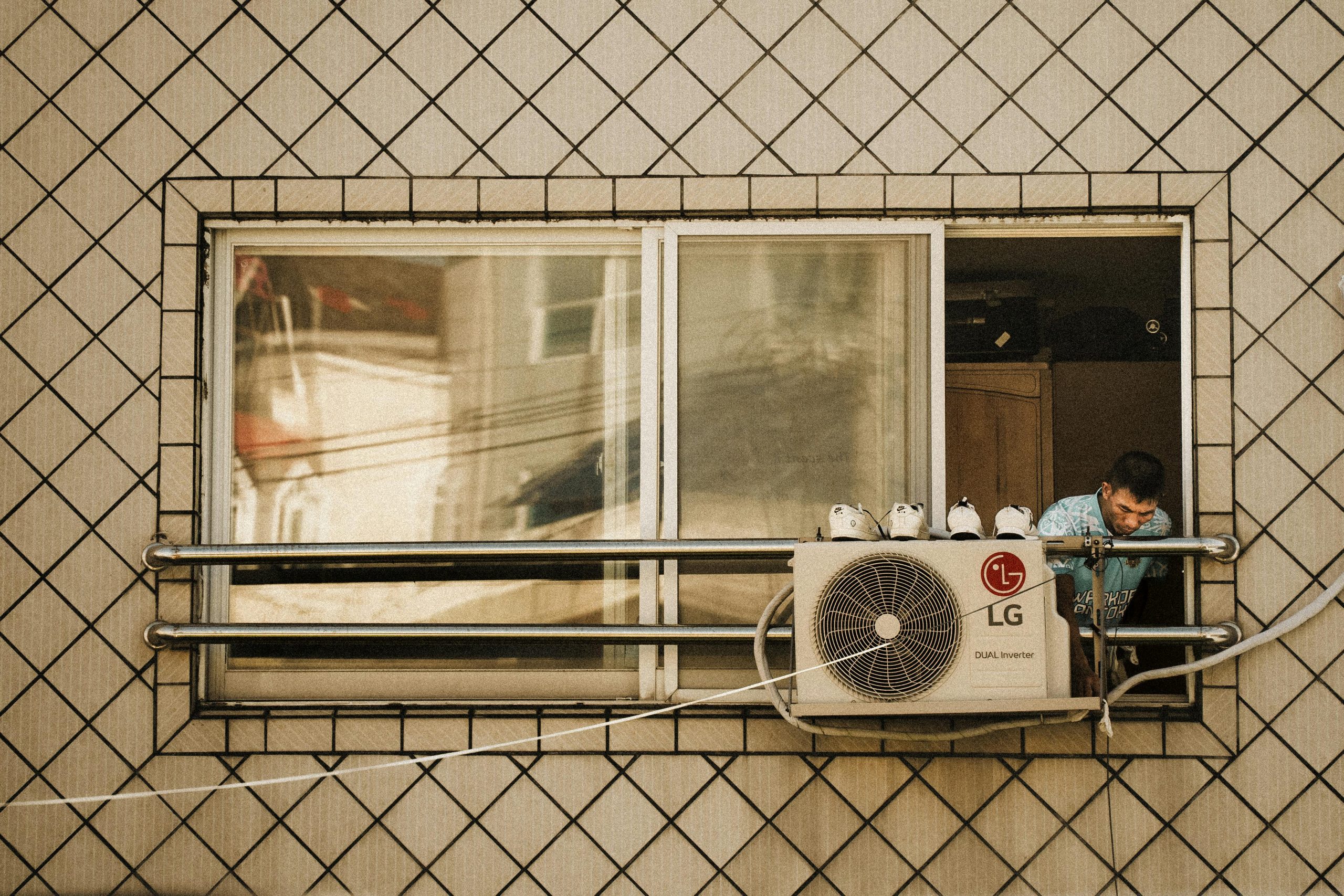
Air conditioning installation plays a central role in maintaining comfort, efficiency, and indoor air quality in residential and light commercial spaces. As temperatures fluctuate throughout the year, a properly installed cooling system helps create a stable environment that supports daily living, productivity, and overall well-being. While air conditioning is often associated with relief from heat, its installation involves careful planning, technical precision, and long-term considerations that extend far beyond immediate comfort.
Evaluating Home Cooling Needs
Every building has unique cooling requirements influenced by size, layout, insulation quality, and regional climate. Before installation begins, it is essential to assess how air moves through the space and where heat tends to accumulate. Factors such as window placement, ceiling height, and sun exposure all contribute to cooling demand.
A thoughtful evaluation ensures that the system is neither oversized nor undersized. When cooling capacity aligns with actual needs, the system operates more efficiently, maintains consistent temperatures, and avoids unnecessary wear over time. As a result, homeowners experience improved comfort without excessive energy consumption.
Selecting the Appropriate System Type
Air conditioning systems come in various configurations, each designed to serve different architectural and lifestyle needs. Central air systems, ductless mini-splits, and hybrid setups all offer distinct advantages depending on the space. Selecting the appropriate system requires balancing performance expectations with structural realities.
Additionally, modern systems often incorporate advanced features such as variable-speed compressors and smart thermostats. These technologies allow for more precise temperature control and adaptive operation. When chosen carefully, the system becomes an integrated part of the home rather than a standalone appliance.
Preparing the Space for Installation
Proper preparation is a critical step in air conditioning installation. This phase involves ensuring that ductwork, electrical connections, and mounting areas are ready to support the new system. In some cases, modifications may be necessary to improve airflow or accommodate updated equipment.
Attention to preparation helps prevent common issues such as uneven cooling, noise, or system strain. Moreover, a well-prepared space allows technicians to complete installation efficiently while minimizing disruption to the household. Over time, this groundwork contributes to smoother operation and reduced maintenance concerns.
Supporting Energy Efficiency and Cost Control
Energy efficiency remains a top priority for many homeowners, especially as utility costs continue to rise. A well-installed air conditioning system operates at optimal efficiency, reducing energy waste and promoting consistent performance. Proper sealing, insulation, and calibration all play roles in achieving this goal.
Efficiency also affects long-term costs. When a system runs smoothly and meets performance standards, it places less stress on components. This reduced strain can extend equipment lifespan and lower the likelihood of unexpected repairs, creating financial predictability for homeowners.
Maintaining Indoor Air Quality
Air conditioning installation influences more than temperature control; it also impacts indoor air quality. Modern systems are designed to regulate humidity and filter airborne particles, contributing to a healthier living environment. Proper installation ensures that these features function as intended.
Balanced airflow helps prevent stagnant air and reduces the buildup of allergens and pollutants. Consequently, occupants may notice improved comfort and respiratory conditions, especially during peak cooling seasons. Over time, consistent air quality supports a more comfortable and livable indoor space.
Ensuring Long-Term System Reliability
Reliability is closely tied to installation quality. When components are aligned correctly and connections are secure, the system performs predictably under varying conditions. This reliability is particularly important during extreme weather when cooling demands are highest.
Routine maintenance complements proper installation by addressing minor issues before they escalate. Together, these practices help maintain system integrity and ensure dependable operation throughout the year. In many communities, homeowners seek guidance from experienced professionals from trusted service providers like BJ Heating & Cooling to better understand how installation quality affects long-term reliability without focusing on promotional outcomes.
Integrating Technology and User Control
Advancements in cooling technology have transformed how homeowners interact with their systems. Programmable thermostats and connected controls allow users to customize settings based on daily routines and preferences. These tools enhance convenience while supporting energy-conscious habits.
Successful integration depends on proper installation and configuration. When technology is aligned with system capabilities, homeowners gain greater control without complexity. As a result, air conditioning becomes a responsive system that adapts to changing needs rather than a static fixture.
Viewing Installation as a Long-Term Investment
Air conditioning installation represents a significant investment in home comfort and functionality. Rather than viewing it as a one-time task, homeowners benefit from considering how installation choices influence performance over time. Thoughtful planning, system selection, and preparation all contribute to lasting value.
By focusing on quality and alignment with household needs, installation supports a comfortable environment that adapts to future changes. Ultimately, a well-installed system enhances daily life while promoting efficiency, reliability, and indoor comfort for years to come.
