



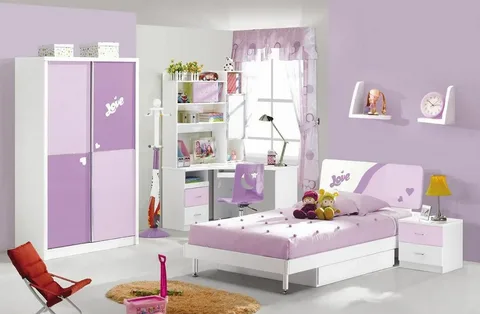
Selecting children’s furniture may seem like a simple task at first glance, but parents quickly realize that it involves a thoughtful blend of safety, comfort, durability, creativity, and long-term practicality. Furniture designed for kids is more than just scaled-down versions of adult pieces. It plays a meaningful role in shaping daily routines, supporting growing bodies, and even influencing the way children interact with their environment. Understanding what truly matters when choosing children’s furniture helps create a space that grows with them and supports their developmental needs.
Prioritizing Safety from the Start
Safety is always the first consideration. Children move differently than adults. They climb, lean, wobble, jump, and sometimes use furniture in ways you wouldn’t expect. Because of this, every piece must be evaluated through a safety-first lens. Furniture edges should be rounded to prevent accidental bumps from turning into serious injuries. Stability also becomes essential. Lightweight chairs or tall shelves that easily tip over can pose unnecessary hazards. You should look for furniture that sits firmly on the ground, feels balanced when nudged, and stays steady when weight shifts.
Non-toxic materials are equally important, especially because young children often touch surfaces and then put their hands near their mouths. Paints and finishes should meet child-safe standards. While it may require a little research, confirming that a piece is free from harmful chemicals is one of the best ways to protect your child’s health and peace of mind.
Matching Furniture to Your Child’s Size and Growth
Furniture should fit your child’s current size, but it should also support upcoming growth. A chair that keeps a child’s feet dangling for long periods or a desk that forces them to hunch can lead to discomfort and poor posture habits. Choosing correctly sized pieces helps children feel more independent because they can sit, reach, and move comfortably without depending on an adult.
Some parents prefer adjustable furniture because it extends usability. A desk that can rise as your child grows or a bed that can shift into a bigger frame offers long-term value. These pieces can reduce future purchases and help maintain a consistent room design as your child ages. Even simple adjustments, like moveable shelves or extendable table legs, make the furniture more adaptable to your child’s changing needs.
Considering Durability for Active Lifestyles
Children’s furniture inevitably experiences more wear and tear than standard household pieces. Kids push, drag, spill, color, and occasionally test the limits of every item in their room. Because of this, durability should play a major role in the decision process. Solid wood often lasts longer than particleboard, while sturdy joints and strong screws help furniture withstand active use.
The surface finish also matters. Some materials scratch easily, while others are more resilient. Furniture with wipe-friendly surfaces saves time during clean-ups and keeps the room looking tidy. Parents should think about how each piece will hold up to daily play, accidental spills, and the occasional creative mess. A durable piece does more than survive rough use—it maintains its appearance and structure, making the entire room feel fresh and orderly.
Encouraging Creativity Through Thoughtful Design
Children’s rooms are often where imagination begins. Choosing furniture that sparks creativity can help nurture a child’s curiosity and emotional development. Color plays an important role. Some children respond well to bright, energizing tones, while others thrive in calmer, softer shades. Whether you select playful pieces or more minimalist designs, the goal is to build a space that feels inspiring and comfortable for the child who will use it every day.
Functional design can also support creativity. Tables with larger surfaces encourage drawing and building activities, while cozy reading nooks can quietly promote a love for books. Multifunctional furniture, such as beds with built-in play areas or storage drawers, helps maximize space while providing room for exploration. When children enjoy their environment, they feel more inclined to create, imagine, and learn.
Making Storage a Priority
Organization is often a major challenge in a child’s room. Toys, school supplies, clothing, and craft materials can accumulate daily. Furniture that incorporates storage solutions makes a huge difference in creating a calm and manageable space. Drawers that glide easily, shelves within a child’s reach, and hidden compartments inside benches help teach responsibility by making tidying up more achievable for kids.
Thoughtful storage doesn’t only reduce clutter—it encourages routine. When every item has a designated place, children learn to put things back where they belong. This reinforces discipline while helping maintain a balanced and visually pleasant room.
Balancing Function with Style
Parents naturally want children’s rooms to look appealing, but style should not overpower functionality. The best approach is finding a balance where the room’s aesthetics match your child’s personality while still offering comfort and usability. It’s important to consider how each piece will look alongside existing items and how well the room design can adapt over time.
Stylish furniture that lacks true purpose can feel exciting at first but quickly becomes impractical. On the other hand, simple yet functional pieces often prove timeless and versatile. A cohesive design helps create a restful atmosphere that supports focus, sleep, and play.
Conclusion
Choosing children’s furniture goes far beyond picking attractive pieces. It requires a deliberate focus on safety, comfort, durability, creativity, storage, and long-term practicality. When these elements come together, they create an environment that supports a child’s daily life while encouraging independence, imagination, and emotional well-being. By taking the time to understand what truly matters, parents can design a space that grows with their child and makes every day at home more meaningful, stable, and enjoyable.
