



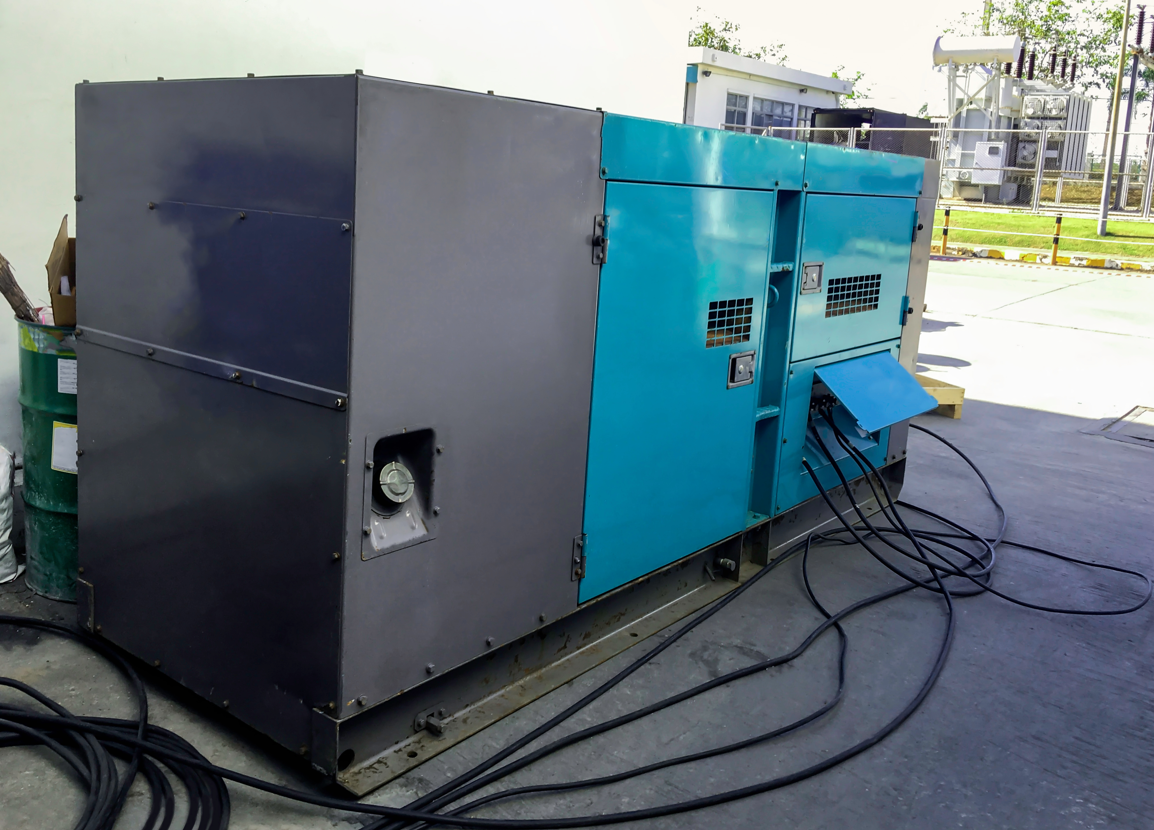
Power outages can happen at any time, and when they do, having a generator can make all the difference. Choosing the right generator size for your home is not just about convenience—it’s about safety, efficiency, and peace of mind. Many homeowners struggle with figuring out what size generator they actually need. The process may seem complicated, but with the right guidance, you can make a smart choice that fits your household’s energy demands.
Here, we’ll share tips and tricks to find the right generator for your home. Let’s dive in!
Understanding Your Home’s Power Requirements
The first step in choosing the right generator size is understanding how much power your home uses. Every appliance and system in your house consumes electricity, from refrigerators and air conditioners to lights and water heaters. To estimate your needs, you should calculate the total wattage of the essential items you want to keep running during an outage. For example, refrigerators typically use around 600 watts, while central air conditioning units can require several thousand watts. Adding these numbers together gives you a clearer picture of your minimum generator size.
Homeowners often underestimate their power needs, which can lead to buying a generator that is too small. This results in overloaded circuits and potential damage to both the generator and appliances. Taking the time to measure your household’s energy requirements ensures that you choose a generator that can handle the load comfortably.
Matching Generator Capacity to Household Essentials
Once you know your power requirements, the next step is to match them with the right generator capacity. Generators are rated in watts, and the size you choose should cover both running watts and starting watts. Running watts are the continuous power needed to keep appliances operating, while starting watts are the extra surge required when certain devices, like refrigerators or pumps, first turn on.
For most homes, a generator in the range of 5,000 to 7,500 watts can handle basic essentials such as lights, refrigerators, and sump pumps. Larger homes with central air conditioning or electric water heaters may need 10,000 watts or more. Choosing a generator that matches your household essentials ensures that you can maintain comfort and safety without overspending on unnecessary capacity. It also prevents the frustration of having to constantly decide which appliances to run and which to leave off during an outage.
Considering Whole-House vs. Partial Coverage
Another important decision is whether you want your generator to power your entire home or just essential circuits. Whole-house generators are designed to handle all appliances, lights, and systems, offering seamless backup power during outages. These units are larger, more expensive, and often require professional installation.
On the other hand, portable or mid-sized generators can provide partial coverage, powering only the most critical items. This option is more affordable and flexible, but it requires homeowners to prioritize which appliances matter most. The choice between whole-house and partial coverage depends on your budget, lifestyle, and tolerance for inconvenience. Families with medical equipment or frequent outages may find whole-house coverage essential, while others may be comfortable with powering only the basics.
Enlisting Professionals for Advice and Installation
Generator installation is not a simple DIY project. It involves electrical connections, safety considerations, and sometimes even permits. Professional services ensure that your generator is installed correctly and safely. This is especially important for standby units that connect directly to your home’s electrical system. Residential generator installation provides peace of mind because experts handle the technical details, from load calculations to transfer switch setup.
They also ensure compliance with local codes and safety standards. While hiring professionals adds to the overall cost, it protects your investment and guarantees that your generator will perform when you need it most. Homeowners should view installation as part of the generator purchase rather than an optional add-on.
Knowing Fuel Type and Efficiency Considerations
The size of your generator is closely tied to the type of fuel it uses. Generators can run on gasoline, propane, natural gas, or diesel. Each fuel type has its advantages and limitations. Gasoline is widely available but less efficient for long-term use. Propane and natural gas offer cleaner burning and longer storage life, making them popular for standby units.
Diesel generators are durable and efficient, but often larger and noisier. When choosing a generator size, consider how fuel type affects efficiency and availability during emergencies. A generator that consumes fuel quickly may require frequent refueling, which can be difficult during extended outages. Balancing generator size with fuel efficiency ensures that you have reliable power without unnecessary hassle.
Planning for Future Needs
Many homeowners focus only on their current energy demands when choosing a generator. However, it is wise to plan for future needs as well. If you plan on getting new appliances, upgrading your HVAC system, or expanding your living space, your power requirements will increase.
Opting for a bigger generator now can save you from having to upgrade later. It also provides flexibility during unexpected situations, such as hosting guests or running additional equipment. Planning ahead ensures that your generator remains a long-term solution rather than a temporary fix.
Conclusion
Choosing the right generator size for your home requires careful thought and planning. By understanding your household’s power requirements, matching generator capacity to essentials, deciding between whole-house and partial coverage, and relying on professional installation, you can make a confident decision.
Fuel type and future needs also play a role in ensuring that your generator remains reliable for years to come. A well-sized generator is more than just backup power—it is an investment in your home’s safety, comfort, and resilience.
