



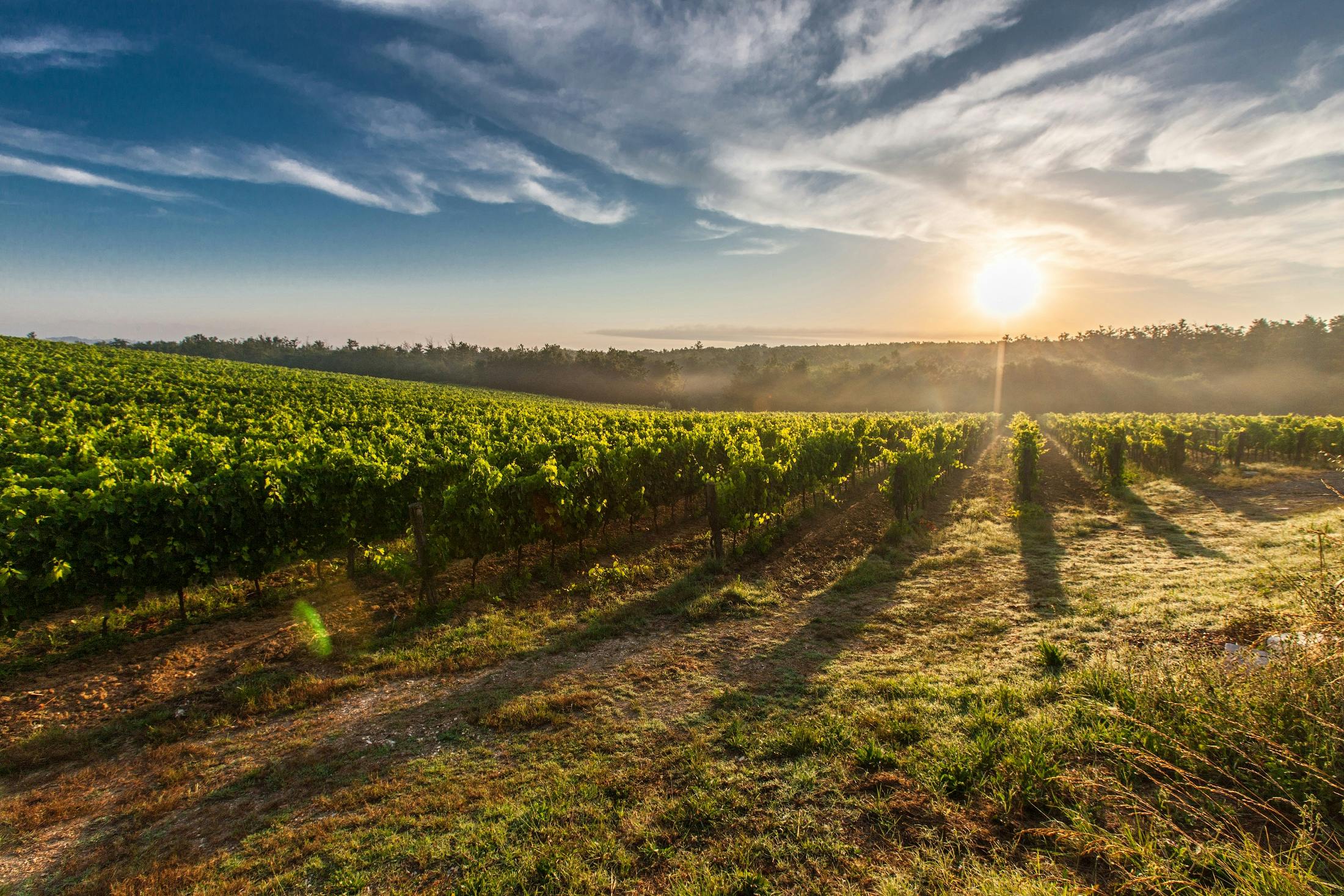
Sustainable agriculture continues to grow in relevance as communities search for ways to feed rising populations without exhausting environmental resources. It reflects a movement toward farming methods that protect soil health, preserve water, and support ecological balance.
Instead of relying heavily on chemical inputs and intensive land use, sustainable agriculture focuses on practices that nurture the land so it can continue producing food for generations to come. While the concept is not new, its importance has become more visible as climate change, soil degradation, and biodiversity loss challenge modern food systems. The goal is not only productivity but also long-term resilience that benefits farmers, consumers, and the planet.
Agriculture lies at the center of human survival, which is why improvement is essential. As farmers adopt modern technologies and return to regenerative techniques, sustainable agriculture becomes both a science and a philosophy. It encourages responsible resource management while still meeting demand for crops and livestock. This balance supports the environment and social well-being, proving that sustainability is more than a trend—it is a necessary shift in how food is grown and valued.
Soil Health as a Priority for Strong Crop Growth
Healthy soil forms the foundation of sustainable farming. When soil is rich in nutrients, crops grow stronger, resist pests more naturally, and require fewer chemical inputs. Techniques such as cover cropping, compost application, and crop rotation help maintain soil structure and fertility, allowing the land to remain productive year after year. Maintaining soil also protects carbon storage and reduces erosion, which is especially important in areas experiencing extreme weather conditions.
Farmers who focus on soil biology often find that the land responds positively over time. The presence of beneficial organisms, earthworms, and organic matter improves aeration and nutrient cycling. Although soil improvement takes patience, it pays off with more resilient harvests and healthier ecosystems. Because farmland is a living system, sustaining it ensures long-term crops and less dependency on synthetic fertilizers.
Water Conservation as a Key Component of Sustainable Farming
Water remains one of agriculture’s most valuable resources, yet many regions face shortages due to climate pressures and urban demand. Sustainable farming encourages responsible water use through drip irrigation, rainwater collection, and soil moisture monitoring. Instead of flooding fields, slow-release watering methods deliver hydration directly to plant roots, reducing waste and improving growth efficiency. Wetland restoration and riparian buffers also enhance water quality by filtering runoff before it reaches rivers and groundwater sources.
More farmers are now investing in strategies that protect water supplies during drought, ensuring fields stay productive without draining local ecosystems. Conservation efforts help maintain harmony between agriculture and nature, proving that food systems do not have to compete with environmental health.
Biodiversity Preservation as a Natural Defense System
Diverse farms tend to be more sustainable because they rely less on single-crop production. By raising multiple crop species or integrating livestock with crop fields, farms mimic natural ecosystems. This reduces pest outbreaks, improves pollination, and creates habitats for birds and insects that help control harmful species. Perennial crops, hedgerows, and wildflower strips serve as shelter for pollinators, which are vital for many fruit and vegetable harvests.
Biodiversity supports a balanced food web, where every organism contributes to the health of the system. While monoculture farming focuses on large yields of one product, diverse ecosystems produce steady yields with reduced risk. In community farming and small operations, diversity also strengthens local food supply chains and encourages resilience during environmental changes.
Community Support as a Driver for Sustainable Farming Expansion
Farmers cannot sustain the agricultural system alone. Consumers influence markets through food choices, and local policymakers shape regulations that impact land use. Community-supported agriculture programs connect growers directly with buyers, reducing transportation emissions and strengthening local economies. When consumers seek organic or sustainably grown produce, farmers gain motivation to expand environmentally friendly practices.
Educational programs and agricultural outreach also play an important role. Workshops help farmers learn new soil strategies, while schools teach younger generations where food comes from and why sustainability matters. As awareness grows, communities become active participants in protecting farmland and reducing waste.
Final Thoughts on the Future of Sustainable Agriculture
Sustainable agriculture is not a single method but a collection of practices shaped by environmental respect and long-term planning. From soil enrichment to biodiversity protection, each strategy works toward a balanced food system that nourishes both people and the planet.
As more farms adopt regenerative techniques and explore new technology, the future of agriculture looks increasingly resilient. Sustainability ensures that today’s food production does not compromise tomorrow’s resources, making farming an ongoing partnership with nature rather than extraction from it.
A greener agricultural future depends on thoughtful decisions, collaborative effort, and the willingness to adapt. The more society values sustainability, the more farms thrive—and the more secure future generations become in their access to healthy, abundant food.
