



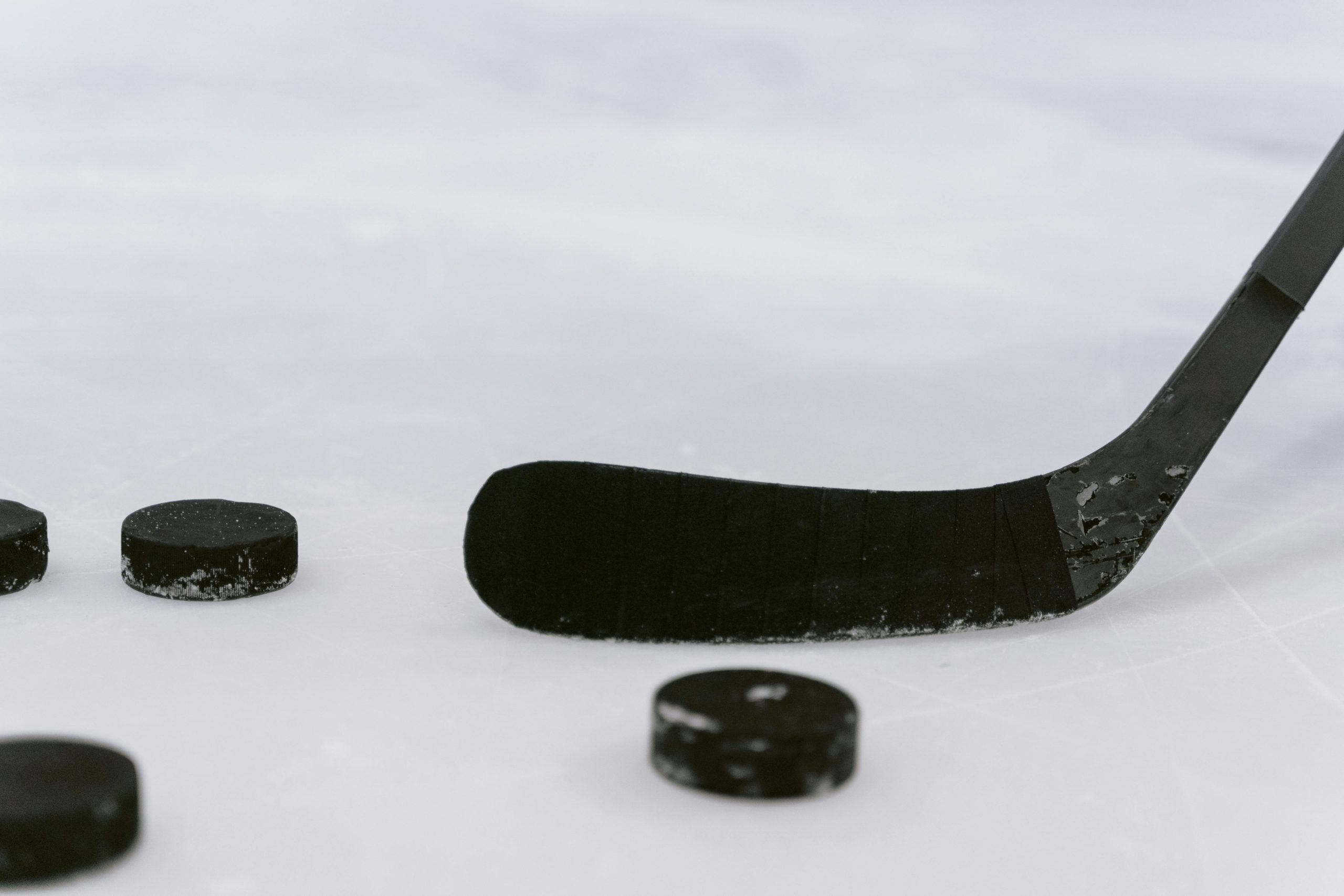
Starting hockey is exciting, but it also comes with costs that can surprise families. Many new players only consider the basic gear and don’t realize how quickly expenses like practices, travel, and league fees can add up. Building a realistic budget helps you prepare without feeling overwhelmed or caught off guard.
The goal isn’t to scare you away from the sport but to make sure you go in with your eyes open. Hockey is one of the most rewarding activities a young athlete can join, but it’s easier to enjoy when you understand what your first season will actually require financially. When you’re prepared, it becomes much easier to manage everything that comes with the sport.
Starting With Essential Gear
The first thing most families buy is equipment, and this alone can take a big portion of the budget. Players need pads, helmets, sticks, skates, gloves, and protective layers that actually fit and keep them safe. While there are cheaper options available, buying extremely low-quality gear can lead to discomfort or even injuries when your child starts skating more intensely.
A solid starting point is to invest in items that matter most for safety and performance. Skates, for example, should fit well and feel supportive, not loose or wobbly. Sticks can vary in price, but it’s usually best to avoid the cheapest or the most expensive right away. If you want dependable gear or training tools all in one place, browsing for hockey supplies can help you understand the range of options and prices before you start buying.
Planning for Ice Time and League Fees
Once you get past the gear, ice time becomes the next big expense. Rinks are costly to operate, and those costs are reflected in team registrations, practice ice rentals, and game fees. Some leagues offer beginner-friendly programs that include gear and ice time in one price, but competitive leagues can be more expensive because they offer more practice sessions.
It helps to talk with other parents or coaches to understand how often your child’s team practices and what the season schedule looks like. Weekend tournaments, extra clinics, and optional training sessions can each add to the overall cost. This doesn’t mean your child has to join every program, but knowing what’s offered helps you choose what fits your budget and your child’s goals. With some planning, you can find a balance between skill development and affordability.
Travel and Unexpected Expenses
Travel is another cost that often surprises new hockey families. Even at the beginner level, some teams travel to nearby towns for games or weekend events. This means spending money on gas, meals, and sometimes hotel stays depending on the tournament. These little trips add up over months, especially if your child plays in a league with regular out-of-town games.
Other unexpected costs can include replacing broken sticks, upgrading gear mid-season due to growth spurts, or attending extra skating lessons if your child wants more practice. These aren’t mandatory, but they often come up once a player gets comfortable and starts improving. Having a small buffer in your budget can make these moments feel manageable rather than stressful.
Building a Budget That Works for Your Family
Creating a hockey budget isn’t about cutting corners but about ensuring you’re not stretched too thin once the season starts. Begin by listing the major items you know you’ll need: gear, league fees, ice time, and travel. Then consider optional expenses like extra clinics or specialty training. Seeing everything in one place makes it easier to choose what fits your family’s comfort level.
It’s also helpful to remember that expenses vary widely depending on location and the type of program you choose. Some families start with recreational leagues to keep costs low until their child decides they truly love the sport. Others budget for high-level programs because their child already has the passion and drive. There’s no right or wrong approach—only what feels right for your household and your young player.
Conclusion
Hockey can be an incredible experience for any child, offering a mix of teamwork, confidence-building, and pure fun on the ice. But like any commitment, it comes with real costs that are easier to manage when you plan ahead. A realistic budget helps you enjoy the season without financial surprises.
By understanding what you’ll spend on gear, ice time, travel, and those unexpected extras, you can prepare for your first season with confidence. And when your child steps onto the ice ready and excited, you’ll know the effort was worth it. Hockey becomes far more enjoyable when you’ve planned well, budgeted wisely, and embraced the journey as a family.
