



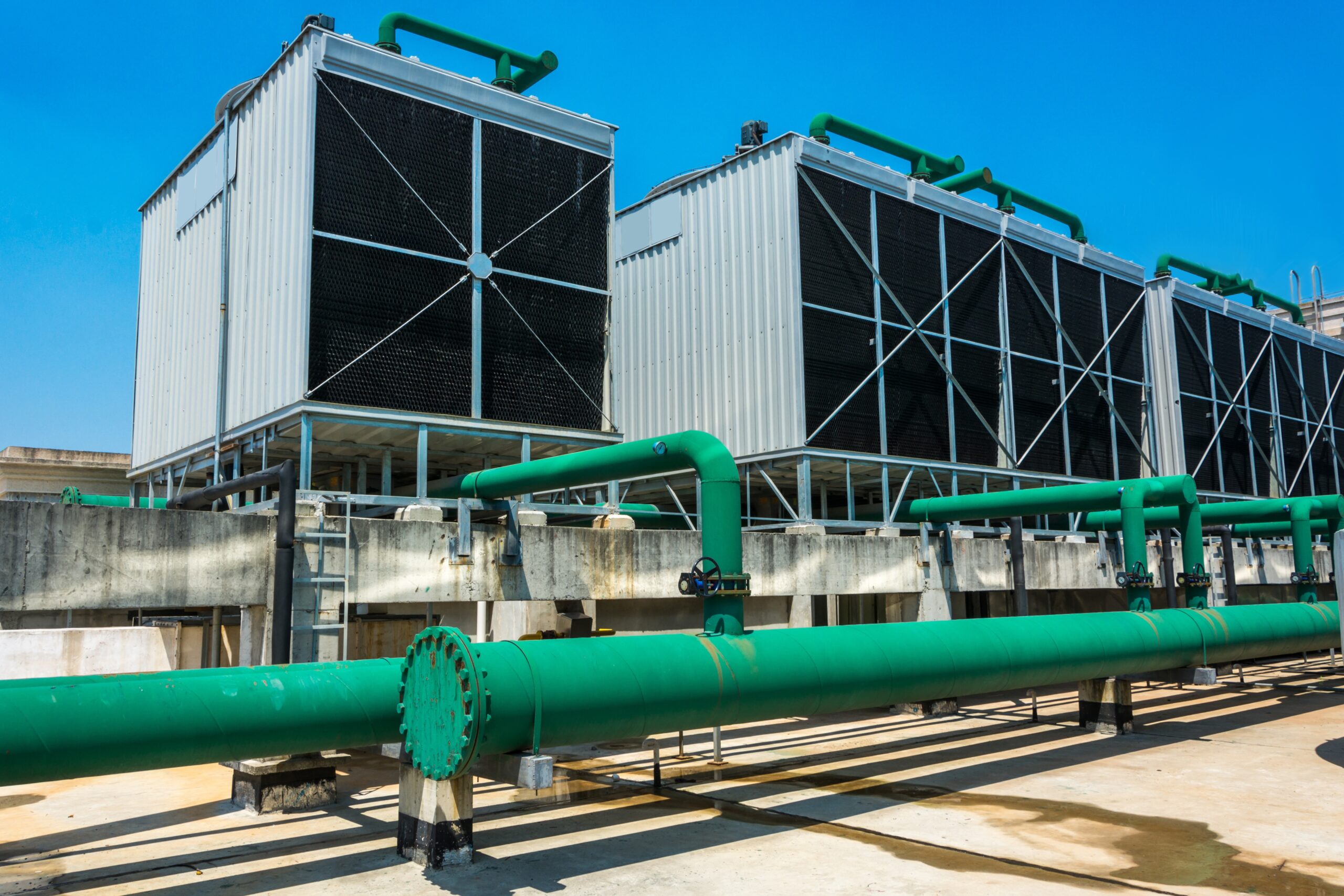
Large facilities often have substantial cooling requirements that cannot be met efficiently by standard air conditioning systems. Manufacturing plants, hospitals, hotels, office complexes, educational institutions, and other large buildings may need reliable temperature control across extensive spaces. A commercial chiller can provide centralized cooling designed to handle these demanding applications while supporting consistent indoor conditions.
By using chilled water to remove heat from a facility, a commercial chiller can support efficient cooling across multiple zones and systems. This makes it a practical solution for facilities where dependable temperature management is essential.
In this blog post, we’ll explore the advantages of installing a commercial chiller for large facilities. Read on!
Improving Cooling Capacity
A commercial chiller can provide the substantial cooling capacity required by large facilities. Instead of relying on numerous individual air conditioning units, a centralized chiller system can distribute cooling throughout different areas of a building. This approach can help maintain more consistent temperatures, particularly in facilities with large floor areas or spaces with varying cooling demands.
The ability to handle significant heat loads also makes chillers suitable for environments where equipment, machinery, occupants, or production processes generate considerable heat. Properly sized systems can provide dependable cooling without placing excessive demands on individual cooling units.
Increasing Energy Efficiency
Energy efficiency is another important advantage of installing a commercial chiller. Centralized cooling can be more efficient than operating numerous separate air conditioning systems, particularly when the chiller is properly selected, installed, maintained, and operated according to manufacturer guidelines.
Modern commercial chillers may incorporate efficient compressors and variable-speed technologies that allow the system to adjust its operation based on current cooling requirements. Rather than continuously operating at maximum capacity, the system can respond to changing loads and potentially reduce unnecessary energy consumption.
Maintaining Consistent Temperatures
Large facilities can experience significant differences in temperature between rooms, floors, operational areas, and high-traffic spaces. A commercial chiller can help provide more controlled and consistent cooling throughout the building.
Chilled water can be circulated to air handling units or other cooling equipment serving different areas. This centralized approach gives facility operators greater control over temperature management and can support comfortable conditions for occupants or stable environmental conditions for sensitive equipment and processes.
Supporting Operational Reliability
Reliable cooling can be essential for facilities that operate continuously or house heat-sensitive equipment. Excessive temperatures can affect equipment performance, create uncomfortable working conditions, potentially interrupt important operations, and increase the risk of equipment damage.
A properly designed commercial chiller system can provide dependable cooling over extended operating periods. Routine inspections and preventive maintenance can further help identify potential issues before they develop into costly failures. For facilities where downtime can have significant consequences, dependable cooling can contribute to greater operational continuity.
Optimizing Facility Space
Centralized cooling can also help facilities make better use of available space. Instead of installing individual cooling units throughout a large building, a commercial chiller system can centralize major cooling components in designated mechanical areas.
This arrangement can reduce the need for multiple large indoor cooling units and provide greater flexibility when planning interior spaces. It may also simplify the organization of cooling infrastructure, particularly in facilities with complex layouts or multiple operational zones.
Simplifying Cooling Management
A commercial chiller can make cooling management more straightforward for large facilities. With a centralized system, facility managers can monitor and control cooling performance from a more organized setup rather than managing numerous independent units. This can make it easier to identify changes in cooling demand and adjust system operation accordingly.
Centralized control can also support more efficient maintenance planning. Technicians can monitor system performance, schedule routine servicing, identify developing faults, and address potential issues before they affect the facility’s cooling requirements. This streamlined approach can help improve overall system management while reducing the complexity associated with maintaining multiple separate cooling units.
Lowering Long-Term Costs
Although installing a commercial chiller can require a significant initial investment, the system can offer opportunities for long-term cost savings. Improved energy efficiency may help lower operating expenses, while centralized equipment can simplify maintenance compared with managing numerous independent cooling systems.
A properly maintained chiller can also provide reliable service over many years, helping facilities maximize the value of their investment. Choosing equipment that matches the building’s cooling requirements is particularly important for avoiding unnecessary energy use and maintenance costs.
Installing a commercial chiller can provide large facilities with the cooling capacity, efficiency, temperature control, and consistent performance needed for demanding environments. Centralized cooling can support reliable operations while helping optimize space and manage long-term operating expenses. By evaluating cooling loads, facility requirements, expected operating conditions, energy consumption goals, and future capacity needs, facility managers can select a commercial chiller system that supports dependable and efficient performance.