



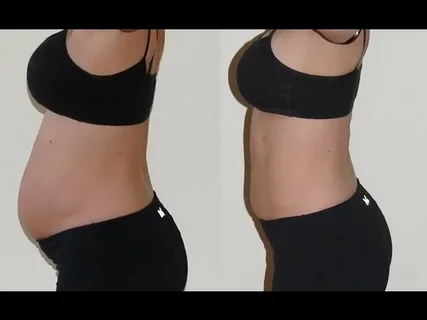
Pregnancy and significant weight loss can both transform the appearance of your stomach. While these changes often represent important life experiences and personal achievements, they can also leave some people feeling less comfortable with their abdominal shape.
Loose skin, stubborn pockets of fat and a softer-looking stomach are all common concerns. Even after returning to a previous weight or developing a consistent exercise routine, the abdomen may not look quite the same as it once did.
Fortunately, there are several approaches to improving stomach contours, from strengthening abdominal muscles to exploring non-surgical body treatments.
Understanding what has changed beneath the skin is the first step towards finding the most suitable solution.
Why the stomach changes after pregnancy
During pregnancy, the abdominal skin and muscles stretch to accommodate a growing baby.
After childbirth, the body gradually recovers, but skin elasticity and abdominal muscle function do not always return completely to their previous state.
Some women experience diastasis recti, a separation of the abdominal muscles that can contribute to a persistent bulge.
Others notice loose skin, stretch marks or localised fatty deposits around the lower abdomen.
These concerns can look similar but require different approaches. Someone experiencing muscle separation may benefit from specialist physiotherapy, while someone with stubborn subcutaneous fat may wish to explore body contouring options.
How weight loss affects stomach shape
Losing a substantial amount of weight can create similar changes.
When the abdomen has carried excess fat for several years, the skin stretches to accommodate the underlying tissue.
As weight decreases, the skin may not contract sufficiently to match the body’s smaller proportions.
This can leave a soft, creased or slightly hanging appearance, even when very little excess fat remains.
Age, genetics, skin elasticity and the amount of weight lost all influence the outcome.
Before choosing a cosmetic treatment, it is important to establish whether the main concern is remaining fat, loose skin or weakened abdominal muscles.
Can exercise help reshape the stomach?
Exercise can play an important role in improving abdominal strength and overall body composition.
Resistance training helps develop muscle, while regular physical activity supports fitness and long-term weight management.
For women recovering from pregnancy, gentle pelvic floor and deep abdominal exercises may be particularly useful.
However, anyone experiencing persistent abdominal muscle separation should seek guidance from a healthcare professional or pelvic health physiotherapist.
Although exercise can improve muscle strength and posture, it cannot remove substantial excess skin or guarantee fat loss from one particular area.
Exploring non-surgical tummy tuck alternatives
Not everyone who wants a firmer stomach is interested in undergoing cosmetic surgery.
For people with relatively mild concerns, a non-surgical tummy tuck approach may involve treatments designed to improve abdominal contours without surgical incisions.
Depending on the individual’s needs, this could include technologies that target localised fatty deposits or encourage collagen remodelling.
However, the term non-surgical tummy tuck is primarily a marketing description rather than an equivalent alternative to an operation.
Unlike surgical abdominoplasty, these treatments cannot physically remove large amounts of hanging skin or repair significant abdominal muscle separation.
Can skin tightening treatments improve a loose stomach?
For people whose main concern is mild skin laxity, technologies such as radiofrequency may offer another option.
Radiofrequency treatments use controlled heating to encourage changes in collagen within the skin.
Over time, collagen remodelling may improve the appearance of mild sagging and help the skin look somewhat firmer.
People researching non-surgical skin tightening for the stomach should understand that results are generally gradual and modest.
These treatments are not suitable for everyone and cannot reproduce the effects of surgically removing excess skin.
Fat reduction for stubborn abdominal pockets
Sometimes the stomach remains rounded because of small deposits of subcutaneous fat rather than loose skin.
In these circumstances, non-invasive fat reduction may be worth considering once body weight has stabilised.
Treatments available through specialist providers such as Fat Freezing Manchester are designed to address selected areas of unwanted fat rather than produce significant overall weight loss.
Fat freezing uses controlled cooling to damage some fat cells within a targeted area, with changes developing gradually as the body clears the affected cells.
However, the treatment does not remove loose skin, and possible side effects include swelling, bruising, numbness and rare complications.
A professional assessment can help determine whether fat reduction is appropriate or whether reducing the fatty layer might make existing loose skin more noticeable.
Finding the right approach for your body
There is no single treatment that can address every change to the stomach following pregnancy or significant weight loss.
Some people benefit most from improving abdominal strength and posture. Others may consider treatments for mild skin laxity or stubborn fatty deposits.
For substantial hanging skin or significant muscle separation, specialist medical assessment may be more appropriate.
It is also important to allow sufficient recovery time after childbirth and avoid rushing into cosmetic procedures while the body is still changing.
Ultimately, reshaping the stomach should be about personal comfort, realistic expectations and making informed decisions.
Whether the goal is a slightly smoother waistline, improved abdominal strength or greater confidence in fitted clothing, understanding the available options can help people choose an approach that suits their body and lifestyle.