



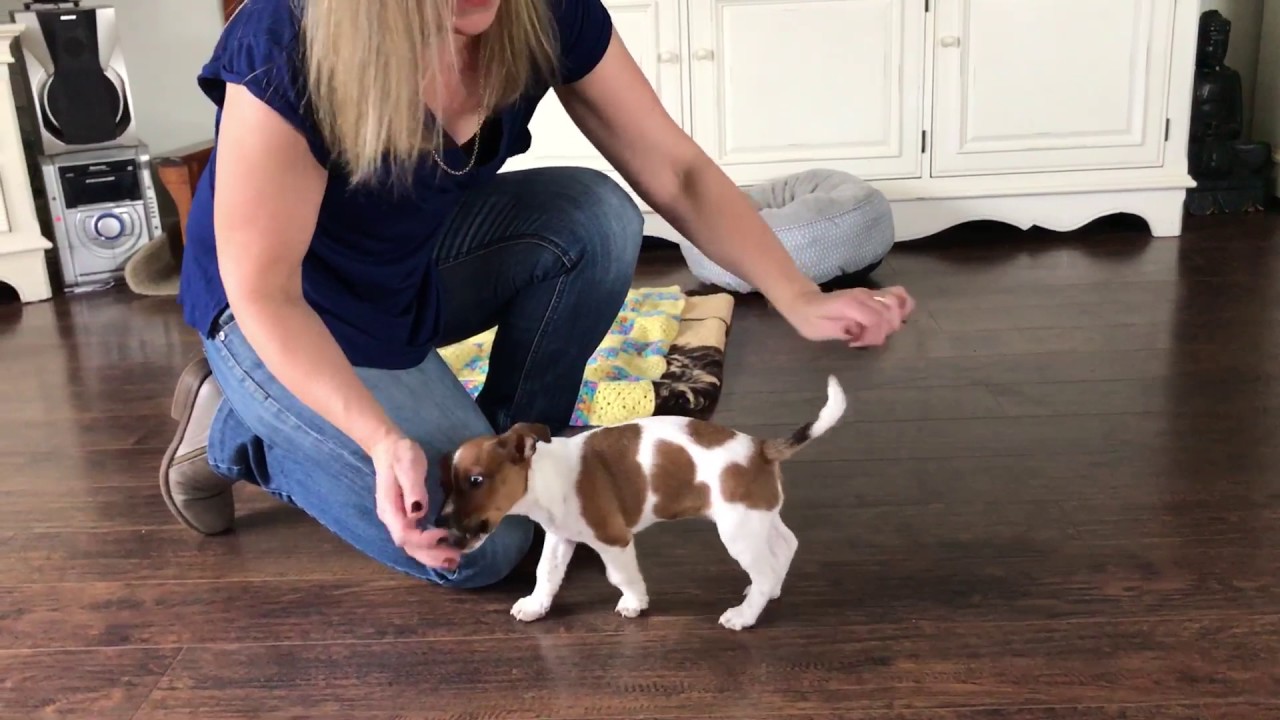
Puppy training Scottsdale families choose can make a meaningful difference in how a young dog behaves at home and in public. The first months of a puppy’s life are an important period for learning routines, communication, social skills, and appropriate responses to everyday situations.
Training is not simply about teaching commands such as sit, stay, or come. Effective puppy training helps dogs understand what is expected of them while giving owners practical ways to reinforce desirable behavior consistently.
Why Early Puppy Training Matters
Puppies are naturally curious and learn through interaction with their surroundings. Without appropriate guidance, behaviors such as jumping, chewing, barking, pulling on the leash, and ignoring cues can become established habits.
Early training provides structure while helping puppies develop reliable behaviors. It also gives owners an opportunity to recognize triggers, reinforce calm responses, and create predictable routines.
Some important areas of early puppy development include:
- Basic obedience and communication
- House training and daily routines
- Leash manners
- Appropriate chewing and play
- Impulse control
- Socialization
- Social grooming
- Handling and grooming tolerance
- Responding to basic cues
Consistency is particularly important. A puppy may understand a behavior during a training session but still need repeated practice before responding reliably in a busy household or unfamiliar environment.
Puppy Training Scottsdale and Everyday Routines
One of the most practical ways to reinforce puppy training Scottsdale owners can use is to incorporate learning into normal routines. Puppies can practice sitting before meals, waiting before going through doors, responding to their name during play, or settling calmly before receiving attention.
Short training opportunities throughout the day can be more useful than relying entirely on lengthy sessions. Puppies have developing attention spans, so keeping exercises brief and rewarding can help maintain engagement.
For example, owners can establish a simple routine:
- Ask for a familiar behavior such as sit.
- Wait for the puppy to respond.
- Reward the desired behavior promptly.
- Repeat in different appropriate settings.
- Gradually increase distractions as the puppy improves.
This approach helps puppies connect specific behaviors with predictable outcomes.
Building Impulse Control in Puppies
Impulse control is an important part of puppy obedience training. A puppy that immediately rushes toward food, people, doors, or exciting objects may struggle to respond when distractions become stronger.
Impulse control does not mean expecting a young dog to remain perfectly still or suppress normal curiosity. Instead, it involves gradually teaching the puppy to pause, focus, and respond to a cue before receiving something desirable.
Owners can practice this skill through everyday activities such as waiting briefly before eating, remaining calm when greeting visitors, or pausing before going outside.
The goal is to make self-control a learned behavior rather than relying on corrections after unwanted behavior occurs.
Socialization Goes Beyond Meeting Other Dogs
Socialization is another important component of puppy training Scottsdale owners should understand. A well-socialized puppy is gradually exposed to different people, environments, sounds, surfaces, and experiences in ways that are appropriate for the individual dog.
Socialization should not mean forcing a puppy into overwhelming situations. Instead, new experiences should be introduced at a manageable pace while the puppy remains comfortable enough to learn.
Useful experiences may include:
- Walking on different surfaces
- Hearing household and outdoor sounds
- Seeing people wearing different clothing
- Riding in a vehicle
- Experiencing calm visits to appropriate locations
- Becoming comfortable with routine handling
- Learning to remain relaxed around controlled distractions
Positive experiences can help puppies develop confidence and adaptability as they mature.
Teaching Puppies Appropriate Chewing Habits
Chewing is a normal part of puppy development, but puppies do not automatically know which objects are appropriate to chew. Shoes, furniture, children’s toys, and other household items can become tempting targets.
Rather than simply reacting when a puppy grabs an inappropriate object, owners can provide suitable alternatives and reinforce their use.
A practical approach includes keeping valuable or dangerous objects out of reach, providing puppy-appropriate chew options, supervising exploration, and redirecting calmly when necessary.
This creates an environment where the puppy has clear opportunities to make appropriate choices.
Leash Training for Better Walks
Leash training should begin with realistic expectations. Puppies may initially find a leash unfamiliar and may want to investigate everything around them.
The objective is to gradually teach the puppy that walking with a handler can be rewarding and predictable. Owners can begin in low-distraction environments before progressing to more stimulating areas.
Useful foundations include responding to the handler’s name, checking in voluntarily, following changes in direction, and learning that pulling does not automatically produce access to something interesting.
As the puppy develops, these skills can provide a foundation for more reliable walking behavior.
Positive Reinforcement and Clear Communication
Positive reinforcement can make training easier to understand because it allows owners to clearly communicate which behavior they want repeated. Rewards may include food, toys, praise, play, or access to something the puppy enjoys.
Timing matters. The closer the reward is to the desired behavior, the easier it is for the puppy to make the connection.
Clear communication also requires consistency. If jumping is discouraged in some situations but rewarded with attention in others, the puppy may receive conflicting information.
Everyone in the household should understand the basic expectations and use similar cues whenever possible.
When Professional Puppy Training Can Help
Professional guidance can be useful when owners are unsure how to address persistent behaviors or want a structured approach from the beginning. A trainer can help identify patterns, demonstrate training techniques, and adjust exercises according to the puppy’s progress.
Professional puppy training may be especially valuable when a puppy struggles with issues such as excessive pulling, difficulty settling, poor focus, or challenging interactions with people and other dogs.
Training should also account for the individual puppy. Age, temperament, environment, previous experiences, and the owner’s goals can all influence how a training plan should be structured.
Creating Habits That Last Beyond Puppyhood
Puppy training should not be viewed as a checklist that ends once a dog knows several commands. Dogs continue learning throughout their lives, and reinforcement helps maintain reliable behavior.
A puppy that learns to respond to cues in a quiet room may still need practice around visitors, outdoors, or in other distracting environments. Gradually increasing difficulty allows the dog to build reliability without expecting too much too quickly.
The most effective training habits are often the simplest ones: communicate clearly, reward desirable behavior, manage the environment, practice consistently, and give the puppy appropriate opportunities to succeed.
Start Building Better Behavior Early
Puppy training Scottsdale plays an important role during the early stages of development. The puppy stage passes quickly, but the habits developed during this period can influence a dog’s behavior for years. Consistent training, appropriate socialization, environmental management, and positive reinforcement can help puppies become more confident and responsive companions.
For families looking for professional guidance, Rob’s Dog Training provides dog training resources and services designed to help owners develop practical skills and better communication with their dogs. To learn more about puppy training and available training solutions, visit robsdogs.