



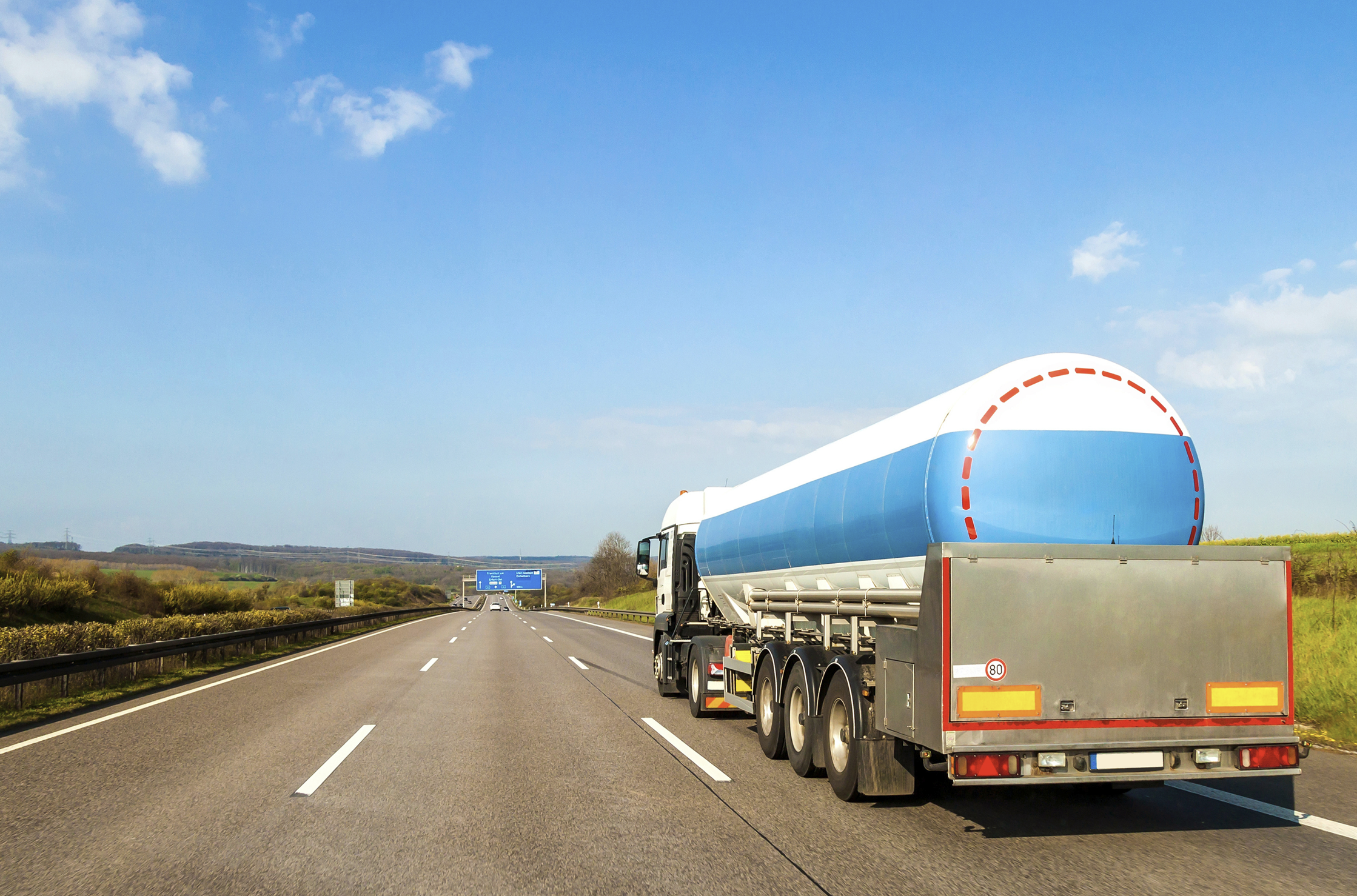
Agriculture businesses rely heavily on fleets of trucks and specialized vehicles to keep operations running. But managing these fleets can be complex, especially when balancing costs, efficiency, safety, and reliability, since these factors require careful planning and oversight. By adopting smarter strategies, agricultural professionals can simplify fleet management and reduce stress.
In this article, we’ll share five practical ways to achieve that balance.
Streamlining Vehicle Scheduling With Digital Tools
One of the challenges in agriculture is coordinating vehicles across sites and tasks. Digital scheduling platforms allow managers to assign vehicles more efficiently and track availability, while also providing the flexibility to adjust schedules instantly when priorities shift.
Instead of relying on manual logs or phone calls, these systems provide real-time visibility into where each vehicle is and what it is doing, which helps prevent scheduling conflicts and ensures equipment availability. For businesses that operate across large areas, digital scheduling also makes it easier to adjust to weather or crop demands.
Improving Maintenance Through Predictive Monitoring
Fleet reliability depends on consistent maintenance, but traditional approaches often rely on reactive repairs. Predictive monitoring tools change this by analyzing vehicle performance data to identify issues, giving managers the ability to schedule repairs at the right time rather than waiting for failures to occur. Sensors can also track engine health and fuel efficiency, giving alerts when maintenance is required.
This approach reduces unexpected downtime and extends the lifespan of vehicles. For agriculture businesses, where timing is critical during planting and harvest seasons, predictive monitoring ensures that fleets remain dependable even under heavy workloads.
Enhancing Fuel Management With Delivery Services
Fuel costs are one of the largest expenses in fleet operations, and managing refueling can be time-consuming. Many agriculture businesses now simplify this process by using fuel delivery services, which bring fuel directly to vehicles at depots or even remote fields where traditional fueling stations are not accessible. Instead of sending drivers to distant fuel stations, companies can arrange for on-site refueling, keeping vehicles focused on productive tasks.
Fuel delivery also allows managers to monitor consumption more closely, making it easier to forecast expenses and establish clearer patterns of usage that avoid waste. By factoring this into planning, businesses gain convenience and cost control.
Leveraging GPS Tracking for Operational Efficiency
Knowing where vehicles are at any given moment is essential for managing fleets effectively. GPS tracking systems provide real-time location data that help managers optimize routes and reduce unnecessary mileage while also offering insights into driver behavior such as speed and route deviations.
For agriculture businesses, this means vehicles can be directed to the nearest field or storage facility without confusion. GPS tracking also strengthens accountability with the visibility it provides. Over time, these insights lead to better resource allocation and stronger operational efficiency across the entire fleet.
Integrating Fleet Data for Smarter Decision-Making
Data integration is becoming a cornerstone of modern fleet management. By combining information from scheduling tools, maintenance systems, fuel delivery records, and GPS tracking, managers can gain a complete picture of fleet performance. This holistic view makes it easier to identify inefficiencies and forecast future needs.
For agriculture businesses, integrated data also supports compliance with regulations and sustainability goals. When managers have access to accurate insights, they can make smarter decisions that improve productivity and reduce costs, while also building a stronger foundation for long-term growth and resilience.
Conclusion
Simplifying fleet management is about using smarter strategies and technologies to reduce complexity. Digital scheduling, predictive maintenance, fuel delivery, GPS tracking, and integrated data systems all contribute to smoother operations.
With these resources, agriculture businesses can keep their fleets reliable and ready to meet the demands of every season.