



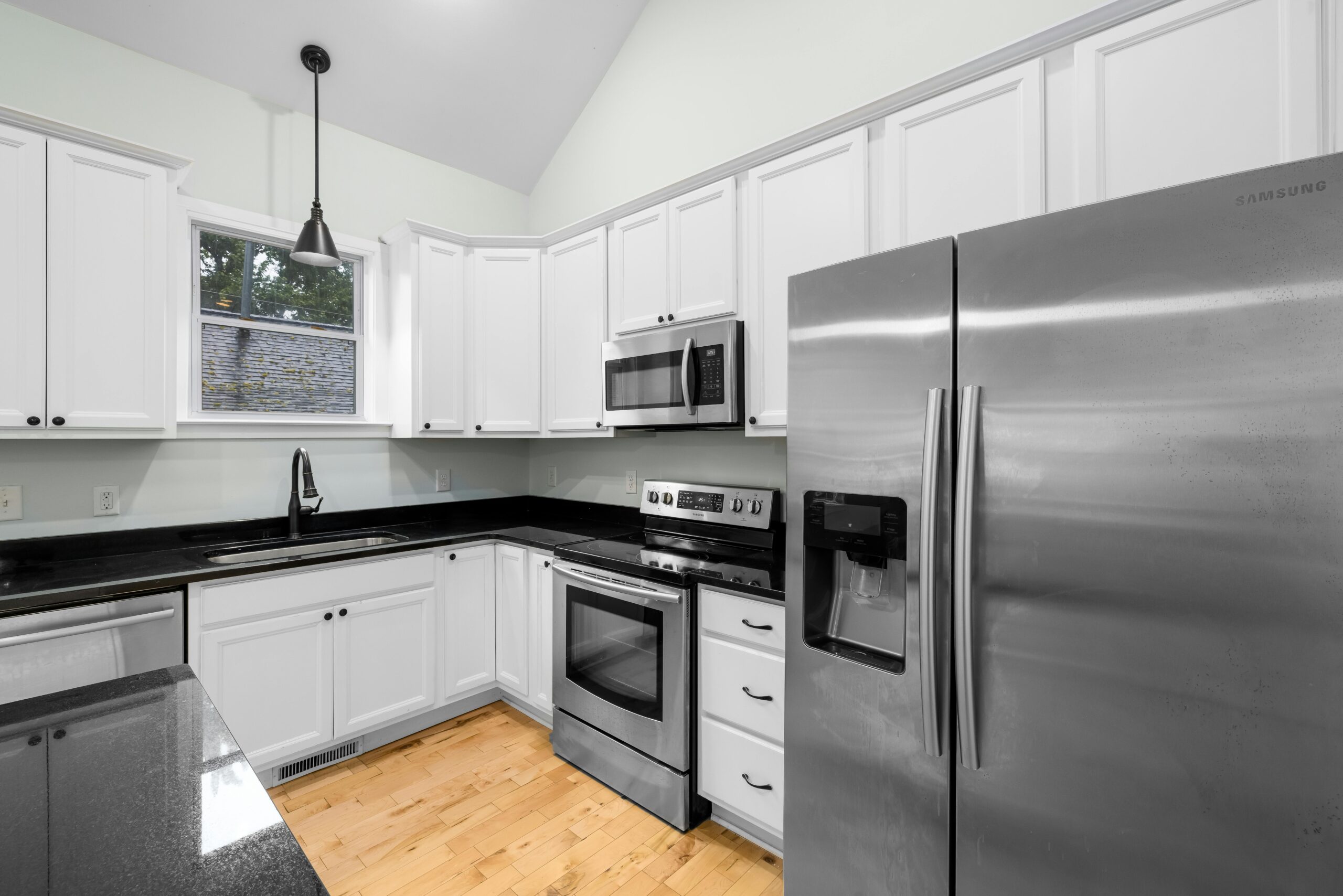
Restaurant kitchens operate in demanding environments where durability, cleanliness, and efficiency are essential. Every piece of equipment must support high-volume food preparation while maintaining strict hygiene standards. For this reason, many commercial kitchens rely heavily on stainless steel appliances, which provide a balance of strength, sanitation, and professional appearance.
The material’s resistance to corrosion, heat, and moisture makes it particularly suitable for restaurant operations. In addition, stainless steel surfaces are easy to clean, helping kitchens maintain sanitary conditions throughout busy service hours. Because of these advantages, stainless steel equipment has become a foundational element of modern commercial kitchen design.
Supporting Hygiene and Sanitation Standards
Maintaining proper sanitation is one of the most important priorities in a restaurant environment. Surfaces that come into contact with food must remain clean and free from contamination. In this context, stainless steel appliances provide a significant advantage because the material is nonporous and resistant to bacterial buildup.
Stainless steel doesn’t soak up smells, liquids, or food particles like some other materials do. As a result, cleaning staff can sanitize surfaces more efficiently using approved cleaning solutions. This reliability helps restaurant kitchens comply with health regulations while ensuring food safety for customers.
Furthermore, smooth stainless steel surfaces reduce the likelihood of hidden crevices where bacteria might accumulate. When appliances are designed with seamless construction and rounded edges, sanitation becomes even easier. These features contribute to a safer and more hygienic environment for food preparation.
Enhancing Durability in High-Volume Kitchens
Restaurant kitchens experience constant activity, from food preparation to cleaning and equipment movement. Tools, utensils, and cookware are used continuously throughout the day, which places significant stress on kitchen equipment. Because of their durability, stainless steel appliances can withstand this demanding environment without losing structural integrity.
The strength of stainless steel allows it to resist dents, rust, and corrosion even when exposed to moisture and heat. For equipment such as refrigerators, worktables, ovens, and storage units, this resilience is particularly valuable. Kitchen operators benefit from appliances that maintain their performance and appearance despite years of daily use.
Durability also contributes to long-term cost efficiency. Equipment that lasts longer reduces the need for frequent replacements, which helps restaurant owners manage operational expenses more effectively. In busy kitchens, reliability becomes just as important as functionality.
Improving Efficiency in Food Preparation
Efficiency is critical in restaurants, where timing and workflow directly influence customer satisfaction. Kitchen layouts and equipment design must support smooth movement and quick access to ingredients and tools. Many chefs and kitchen managers rely on stainless steel appliances because they integrate well into organized and efficient workstations.
For example, stainless steel worktables provide durable surfaces for food preparation while remaining easy to sanitize between tasks. Refrigeration units built with stainless steel interiors help maintain consistent temperatures, preserving ingredients safely until they are ready for use. These appliances contribute to streamlined workflows that support consistent service during busy periods.
Additionally, stainless steel equipment often features modular designs that allow kitchens to customize layouts according to their operational needs. This flexibility enables chefs to arrange workspaces that reduce unnecessary movement and improve productivity during food preparation.
Maintaining Professional Kitchen Aesthetics
In addition to practical benefits, the appearance of a commercial kitchen also plays an important role in maintaining professionalism. Many restaurants prioritize cleanliness and organization not only for safety but also for visual presentation, particularly in open kitchens where customers can observe the cooking process.
The sleek and polished appearance of stainless steel appliances contributes to a modern and professional kitchen environment. The reflective surfaces create a sense of order and cleanliness, reinforcing the impression that the kitchen operates with precision and care.
Even in kitchens that are not visible to guests, maintaining a clean and organized workspace can positively influence staff morale. A well-maintained environment encourages employees to follow sanitation protocols and take pride in their workspaces.
Supporting Refrigeration and Food Storage
Refrigeration equipment plays a crucial role in preserving ingredients and preventing food spoilage. Commercial refrigerators, freezers, and refrigerated drawers often rely on stainless steel appliances because the material helps maintain consistent temperature control while resisting moisture and corrosion.
The durability of stainless steel is particularly beneficial in refrigeration systems, where frequent opening and closing of doors can create wear on internal surfaces. Stainless steel interiors are able to withstand these conditions while remaining easy to clean and maintain.
Additionally, refrigerated units made with stainless steel are often designed with organized shelving systems that improve ingredient storage. Proper organization helps kitchen staff locate items quickly, reducing food waste and ensuring that ingredients remain fresh and accessible during service.
Encouraging Long-Term Kitchen Reliability
Reliability is essential in restaurant operations, where equipment failures can disrupt service and affect customer experiences. Kitchens depend on appliances that perform consistently throughout long service hours. Because of their durability and low maintenance requirements, stainless steel appliances support dependable daily operations.
Routine cleaning and occasional maintenance are typically enough to keep stainless steel equipment functioning effectively. This reliability allows kitchen teams to focus on food preparation rather than worrying about equipment malfunctions.
Over time, dependable appliances contribute to smoother operations and stronger overall kitchen performance. Restaurant owners and chefs benefit from equipment that supports efficiency while maintaining high standards of cleanliness and durability.
Promoting Sustainable Kitchen Operations
Sustainability has become an important consideration in the food service industry. Many restaurants are seeking ways to reduce waste, improve energy efficiency, and adopt environmentally responsible practices. Stainless steel contributes to sustainability because it is highly recyclable and long-lasting.
When stainless steel appliances reach the end of their operational life, the material can often be recycled and repurposed. This reduces environmental impact compared to disposable or short-lived equipment materials. Additionally, long-lasting appliances minimize the frequency of replacements, which further reduces resource consumption.
By selecting durable and recyclable materials, restaurant operators can support both operational efficiency and environmental responsibility.
Supporting Modern Restaurant Kitchens
Restaurant kitchens rely on equipment that combines durability, hygiene, efficiency, and professional presentation. Stainless steel appliances have become a central component of commercial kitchen design because they meet these demanding requirements while supporting long-term reliability.
Through improved sanitation, durable construction, efficient workflow support, and sustainable material properties, stainless steel equipment helps restaurants maintain high standards in food preparation and service. As commercial kitchens continue to evolve, stainless steel remains an essential material that contributes to safe, efficient, and professional restaurant operations.