



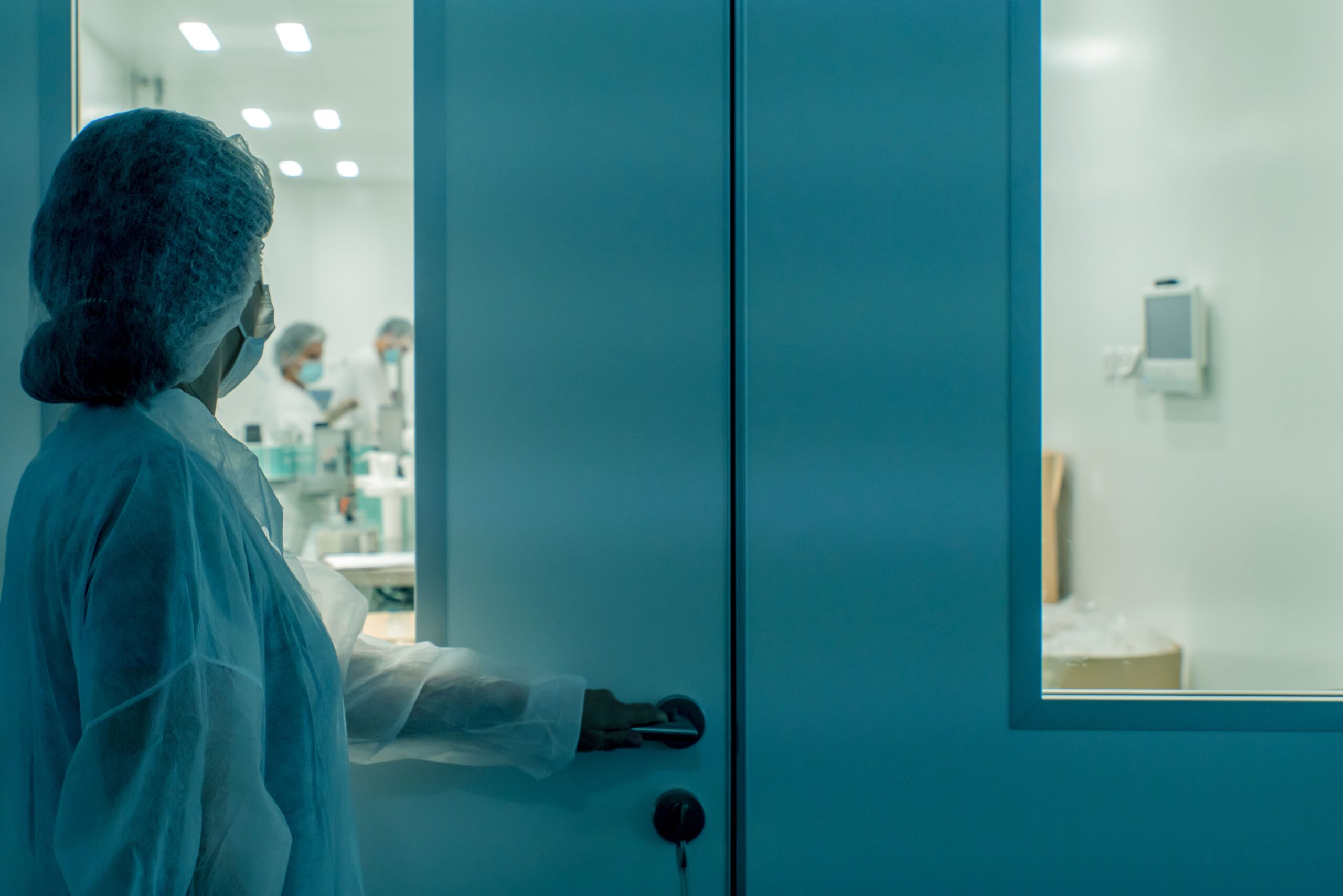
Healthcare buildings are designed to serve many different functions throughout the day. Patients arrive for appointments, medical teams move quickly between departments, visitors enter and leave the facility, deliveries are made, and emergencies require immediate access. Every part of the building contributes to these daily activities, including the doors that connect treatment areas, waiting rooms, operating spaces, and public entrances.
Because healthcare environments have unique requirements, selecting appropriate medical facility door solutions is an important part of building design and long-term facility management. Door systems influence accessibility, patient flow, infection prevention efforts, privacy, safety, and overall operational efficiency. Understanding the role these systems play helps healthcare organizations make informed decisions when planning new construction or renovating existing facilities.
Supporting Safe Patient Movement
Hospitals, clinics, outpatient centers, rehabilitation facilities, specialty practices, diagnostic centers, emergency departments, and surgical facilities experience constant movement throughout the day. Patients may arrive using wheelchairs, walkers, stretchers, hospital beds, mobility scooters, or other medical equipment that requires wide and dependable access points.
Well-designed door systems help create smoother movement between departments while reducing unnecessary delays. Automatic operation, appropriate opening widths, reliable sensors, accessible controls, durable hardware, and thoughtful placement all contribute to a more efficient healthcare environment.
Smooth patient movement also benefits healthcare professionals. Nurses, physicians, technicians, transport teams, environmental services staff, and emergency responders frequently move equipment through the facility, making dependable door operation an important part of everyday workflows.
Improving accessibility supports both patient comfort and overall operational efficiency.
Improving Infection Prevention Efforts
Healthcare facilities place significant emphasis on cleanliness and infection prevention. While cleaning protocols, hand hygiene, ventilation systems, environmental services, surface materials, and clinical procedures all contribute to these efforts, building design also plays an important role.
Many medical facility door solutions are selected with cleaning and maintenance in mind. Smooth surfaces, durable finishes, touchless operation, sealed components, and materials designed to withstand frequent cleaning may help support infection prevention programs within healthcare environments.
Reducing unnecessary physical contact with door handles can also support everyday hygiene practices in areas where many people pass throughout the day.
Although door systems represent only one part of a broader infection prevention strategy, thoughtful design contributes to a cleaner and more functional healthcare setting.
Enhancing Privacy and Security
Healthcare facilities must balance accessibility with patient privacy and building security. Different areas of a hospital or clinic often require different levels of controlled access depending on the services being provided.
Patient treatment rooms, pharmacies, operating suites, behavioral health units, medical records departments, laboratories, staff workspaces, and equipment storage areas may each have unique security requirements. Door systems help support these needs by controlling access while allowing authorized personnel to move efficiently throughout the building.
Privacy is equally important. Properly functioning doors help create spaces where patients can discuss medical concerns and receive care in a more comfortable environment.
Maintaining both privacy and security contributes to a positive experience for patients, visitors, and healthcare professionals.
Increasing Reliability During Daily Operations
Healthcare facilities operate around the clock, meaning building systems experience continuous use. Entrance doors, interior passageways, emergency access points, diagnostic departments, waiting areas, and treatment spaces may all see hundreds or even thousands of daily openings.
Because of this constant activity, reliability becomes a key consideration when selecting door systems. Durable components, dependable sensors, quality hardware, consistent operation, and routine maintenance all contribute to long-term performance.
When doors function properly, staff members can focus on delivering patient care rather than dealing with operational interruptions. Reliable equipment also reduces unexpected maintenance issues that could affect daily workflows.
Planning for durability supports efficient facility operations over many years.
Maintaining Door Systems Regularly
Like other building components, healthcare door systems require regular maintenance to remain dependable. Preventive inspections help identify worn parts, alignment issues, damaged seals, sensor concerns, hardware wear, electrical problems, and operational inconsistencies before they develop into larger issues.
Maintenance schedules often include testing automatic functions, cleaning tracks, inspecting safety features, verifying opening speeds, checking locking systems, reviewing emergency operation, and replacing worn components when necessary.
Routine maintenance not only supports reliable operation but also helps healthcare facilities comply with building standards and manufacturer recommendations. Consistent servicing contributes to safer environments for everyone using the facility.
Well-maintained door systems also help reduce unexpected disruptions during busy periods of operation.
Preparing Facilities For Future Needs
Healthcare continues to evolve as patient populations grow, medical technology advances, and facilities adapt to changing service demands. Building design decisions made today often influence how well a healthcare environment can respond to future needs.
Flexible medical facility door solutions may support future renovations, department expansions, accessibility improvements, updated equipment requirements, changing patient volumes, and evolving operational practices. Planning with long-term adaptability in mind helps facilities remain functional as healthcare needs change over time.
Facility managers often consider durability, maintenance requirements, accessibility standards, energy efficiency, traffic patterns, security needs, and future renovation possibilities when evaluating door systems.
Thoughtful planning today can help reduce future disruptions while supporting efficient building operations for years to come.
Creating Better Healthcare Environments
Healthcare buildings depend on many interconnected systems that work together to support patient care, staff efficiency, visitor access, and daily operations. Appropriate medical facility door solutions contribute to these goals by improving accessibility, supporting infection prevention efforts, enhancing privacy, increasing operational reliability, simplifying maintenance, and preparing facilities for future growth.
Although doors may seem like a small part of a much larger healthcare environment, they influence countless interactions every day. By selecting dependable systems, maintaining them consistently, and considering long-term building needs, healthcare organizations can create spaces that better serve patients, healthcare professionals, and the communities they support.