



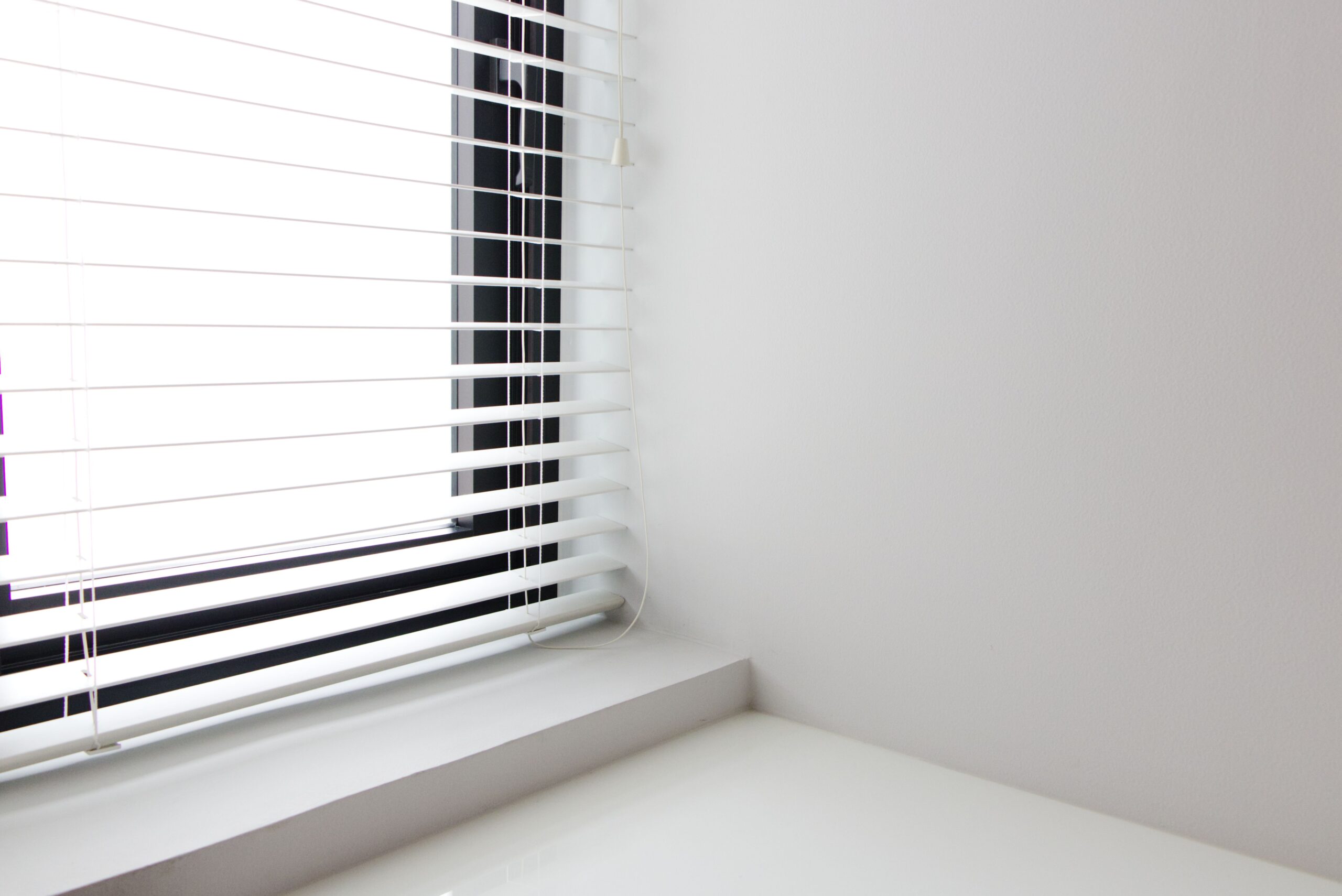
Choosing the right window coverings can have a major impact on the comfort, appearance and functionality of your home. While blinds may seem like a simple design choice, the right option can help control natural light, improve privacy and complement your interior style.
With many materials, colours and designs available, selecting the best blinds for windows requires more thought than simply choosing an attractive style. Considering your room’s purpose, your practical needs and your preferred aesthetic can help you find window coverings that work well for your space.
1. Consider the Level of Light Control You Need
One of the most important factors when choosing blinds is how much natural light you want to allow into a room. Different spaces have different lighting needs, so it is important to consider how the room is used throughout the day.
For bedrooms, you may prefer blinds that provide better light blocking to create a more comfortable sleeping environment. Living rooms and home offices may benefit from options that allow natural light while reducing glare on screens or furniture.
Think about how much control you want over sunlight entering the room. Adjustable blinds can allow you to change the angle of the slats or position of the fabric throughout the day, giving you more flexibility.
2. Choose a Style That Matches Your Interior Design
Window coverings are a visible part of your home’s overall appearance, so the design should complement your existing décor. The right blinds can enhance a room by adding texture, colour or a clean finishing touch.
Consider the colours, patterns and materials already present in your space. Neutral shades may create a simple and timeless look, while bolder options can add visual interest and become a feature within the room.
The style of blind you choose should also suit the atmosphere you want to create. Sleek designs may work well in modern interiors, while traditional styles may complement classic home designs.
3. Select the Right Material for Your Space
Blinds are available in a variety of materials, each with different benefits. Choosing the right material depends on where the blinds will be installed and what features matter most to you.
For areas exposed to moisture, such as kitchens or bathrooms, materials that are easy to clean and resistant to humidity may be a practical choice. In bedrooms or living areas, fabric options can provide a softer appearance and help create a comfortable atmosphere.
Wood and faux wood blinds can add warmth and natural appeal, while aluminium or synthetic materials may offer durability and easier maintenance.
Before making a decision, consider the conditions of the room and how much upkeep you are willing to manage.
4. Think About Privacy Requirements
Privacy is another key consideration when selecting blinds. The right window coverings can help prevent unwanted views into your home while still allowing you to enjoy natural light.
Rooms facing busy streets, neighbouring properties or shared outdoor spaces may require blinds that provide stronger privacy control. Bedrooms and bathrooms often benefit from options that offer more coverage and reduced visibility from outside.
Consider when privacy is most important in each room. Some blinds allow you to adjust the angle to maintain privacy while still letting daylight enter, giving you a balance between openness and protection.
5. Measure Your Windows Carefully
Accurate measurements are essential when installing blinds. Even high-quality blinds may not look or function properly if they are the wrong size.
Before purchasing, measure the width and height of each window carefully. Windows can vary throughout a home, even if they appear similar, so avoid assuming that one measurement applies to every room.
You should also decide whether you want an inside mount or outside mount installation. An inside mount fits within the window frame for a streamlined appearance, while an outside mount can make windows appear larger and provide additional light coverage.
Taking precise measurements can help ensure your blinds fit correctly and operate smoothly.
Consider Maintenance and Cleaning Needs
Although not part of the top five design decisions, maintenance is an important factor that should not be overlooked. Some blinds require more frequent cleaning or specialised care than others.
If you have pets, children or a busy household, you may prefer options that are easy to wipe down and maintain. Choosing practical materials can help your blinds continue looking their best with less effort.
Regular dusting and proper care can also extend the lifespan of your window coverings.
Think About Energy Efficiency
Window coverings can also influence your home’s comfort and energy use. Certain blinds can help reduce heat entering during warmer months or provide additional insulation during cooler periods.
Rooms with strong sunlight exposure may benefit from blinds designed to reduce heat and glare. This can help create a more comfortable indoor environment while supporting more efficient temperature control.
Considering energy performance can be especially helpful when choosing blinds for large windows or areas that receive direct sunlight.
Final Thoughts
Selecting the right blinds requires balancing style, function and practicality. From controlling light and improving privacy to choosing suitable materials and ensuring proper measurements, each factor plays an important role in finding the best option for your home.
The right blinds for windows can enhance your interior design while providing everyday benefits that improve comfort and convenience. By considering your room’s needs and your personal preferences, you can choose window coverings that look great and perform well for years to come.